
Last updated November 23, 2026
 Whole-home duct cleaning
 Dryer vent cleaning
 Camera inspection
 Sanitizing & deodorizing
Whole-system duct and dryer vent check with before-and-after photos - you see exactly what came out of your vents
That "$99 whole-house special" is a bait ad - the real number appears once they are in your hallway, or the "clean" is a shop-vac at the register. We photograph the inside of your ducts before and after instead.
Air Duct Cleaning Permits, Codes & Inspections in Far North Dallas, TX: What You Need to Know
Most homeowners assume air duct cleaning is completely unregulated. It largely is – the cleaning itself doesn’t require a permit in Texas. But the moment a contractor reseals a joint, reroutes a flex run, adds a return, or touches the air handler, the picture changes fast. That work crosses into licensed-trade and mechanical-permit territory, and in Far North Dallas the rules can shift depending on whether the address sits in Dallas, Collin County, or a Frisco or Plano city limit nearby. This guide walks through the TDLR framework, when permits actually get triggered, how HOA rules affect vent terminations, and the questions to ask before you authorize anything beyond a straight cleaning.
Quick Answer
Air duct cleaning by itself does not require a permit in Texas, but duct sealing, rerouting, adding returns, or any work that modifies an HVAC component typically falls under the Texas Department of Licensing and Regulation (TDLR) air conditioning and refrigeration licensing framework, and may require a mechanical permit from the local city. Because Far North Dallas neighborhoods straddle Dallas and Collin County jurisdictions, the exact inspection requirement depends on the specific address, so it pays to confirm with the city’s building department before any structural duct work.
Styles & brands we work with
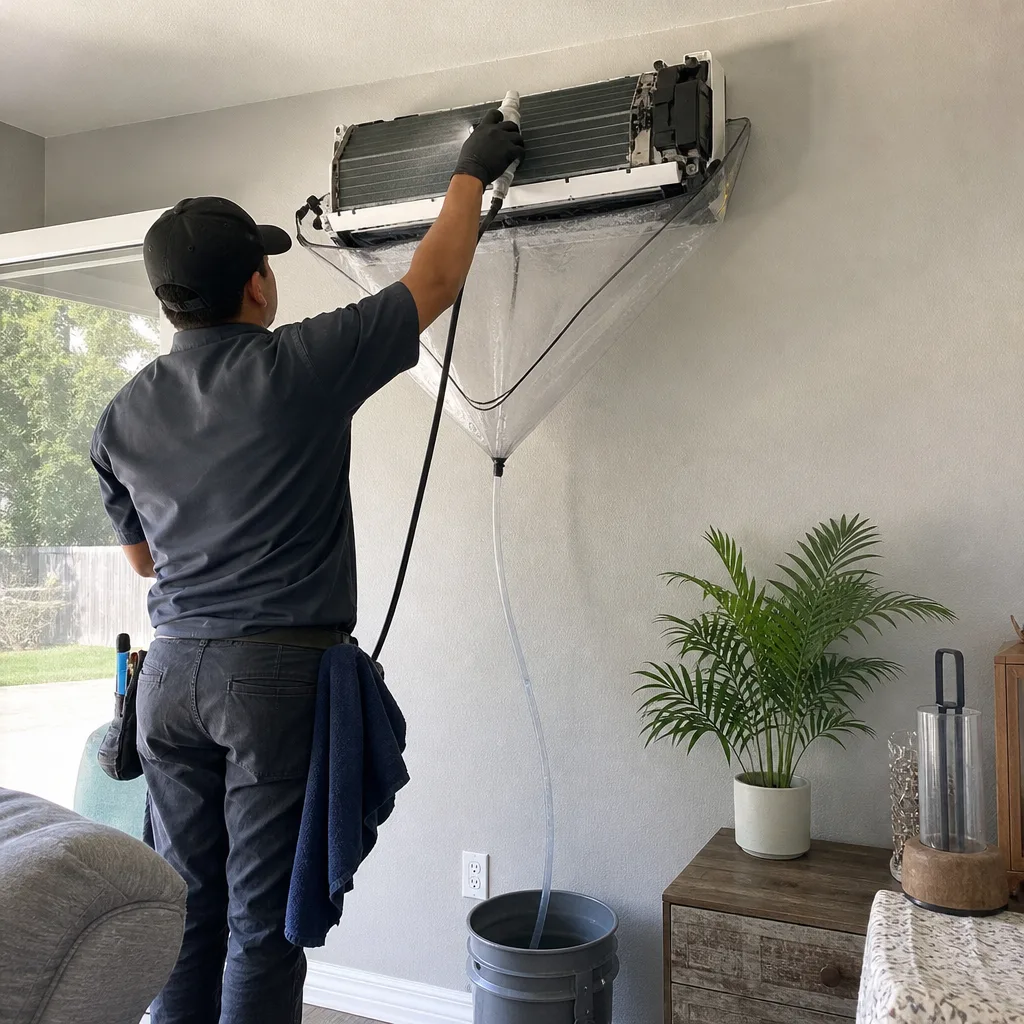
- Whole-home duct cleaning
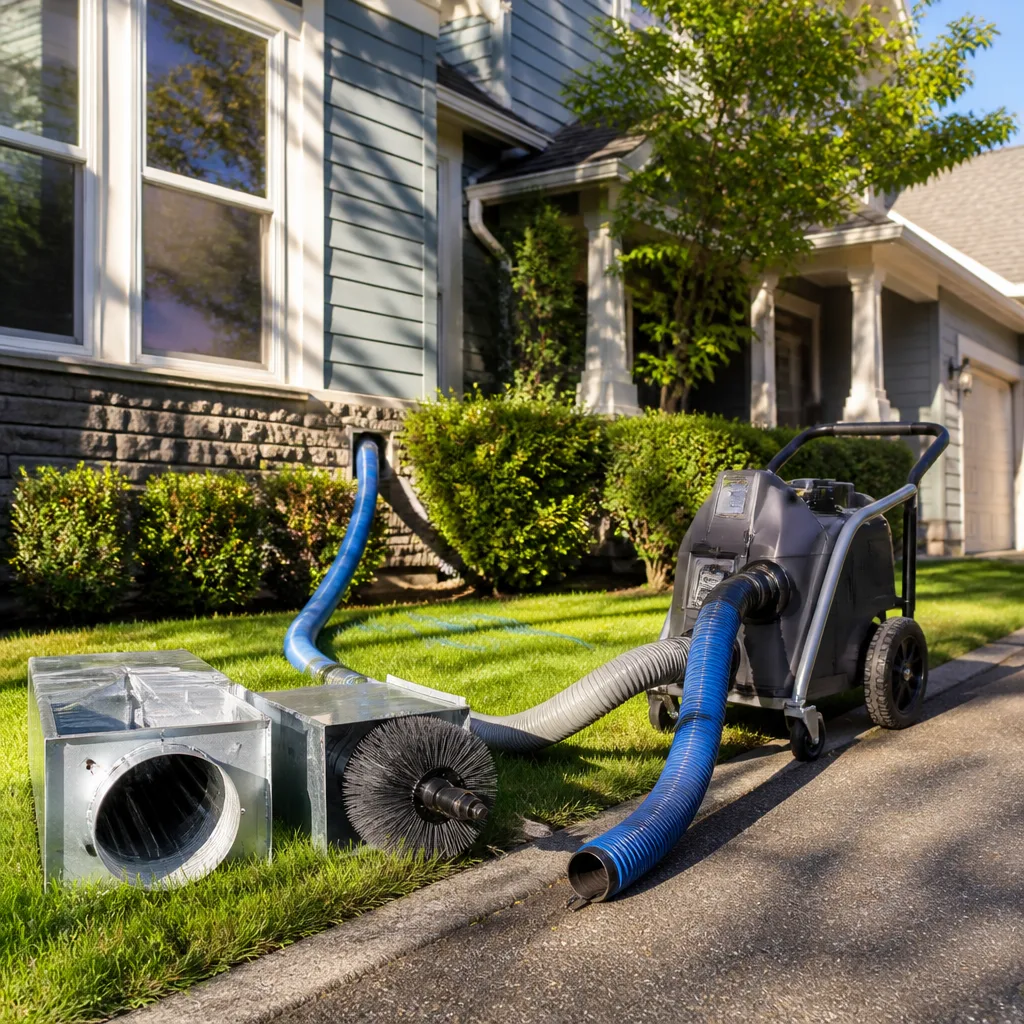
- Dryer vent cleaning
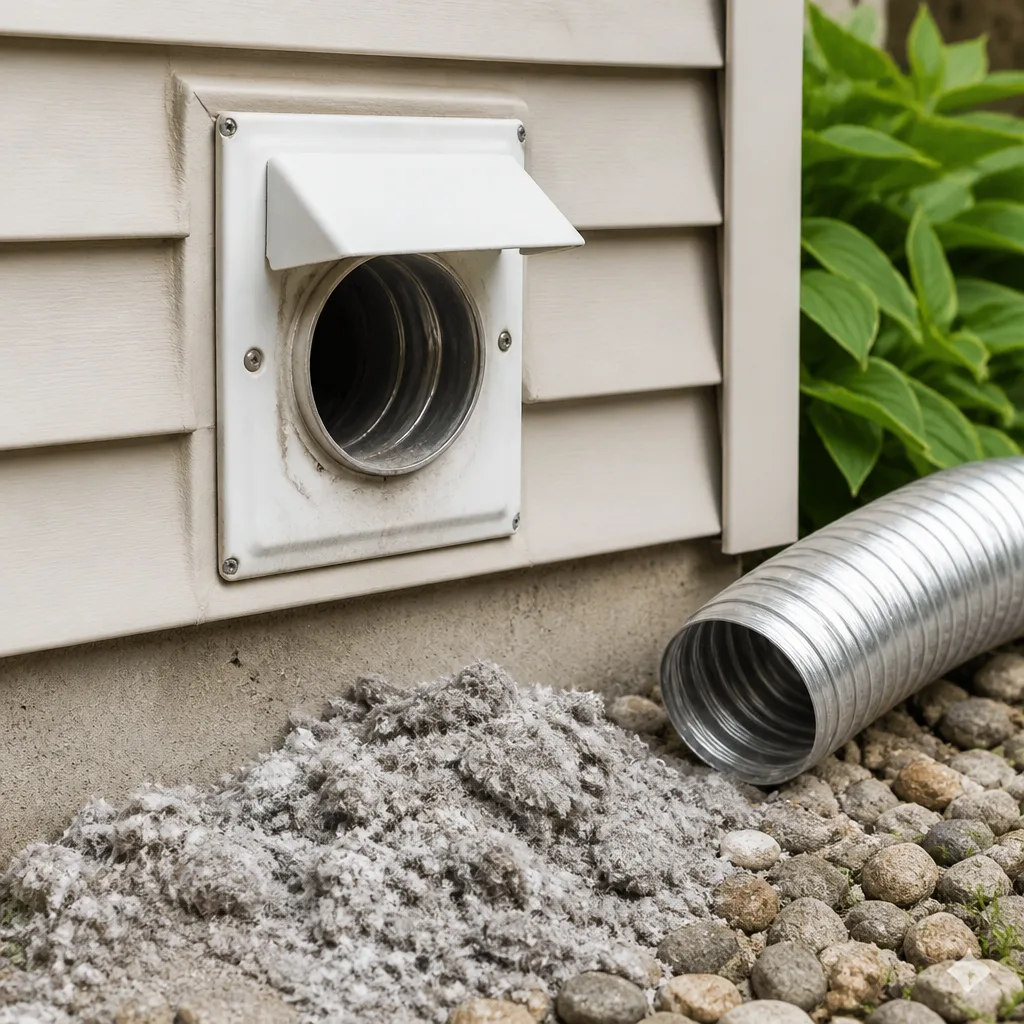
- Camera inspection
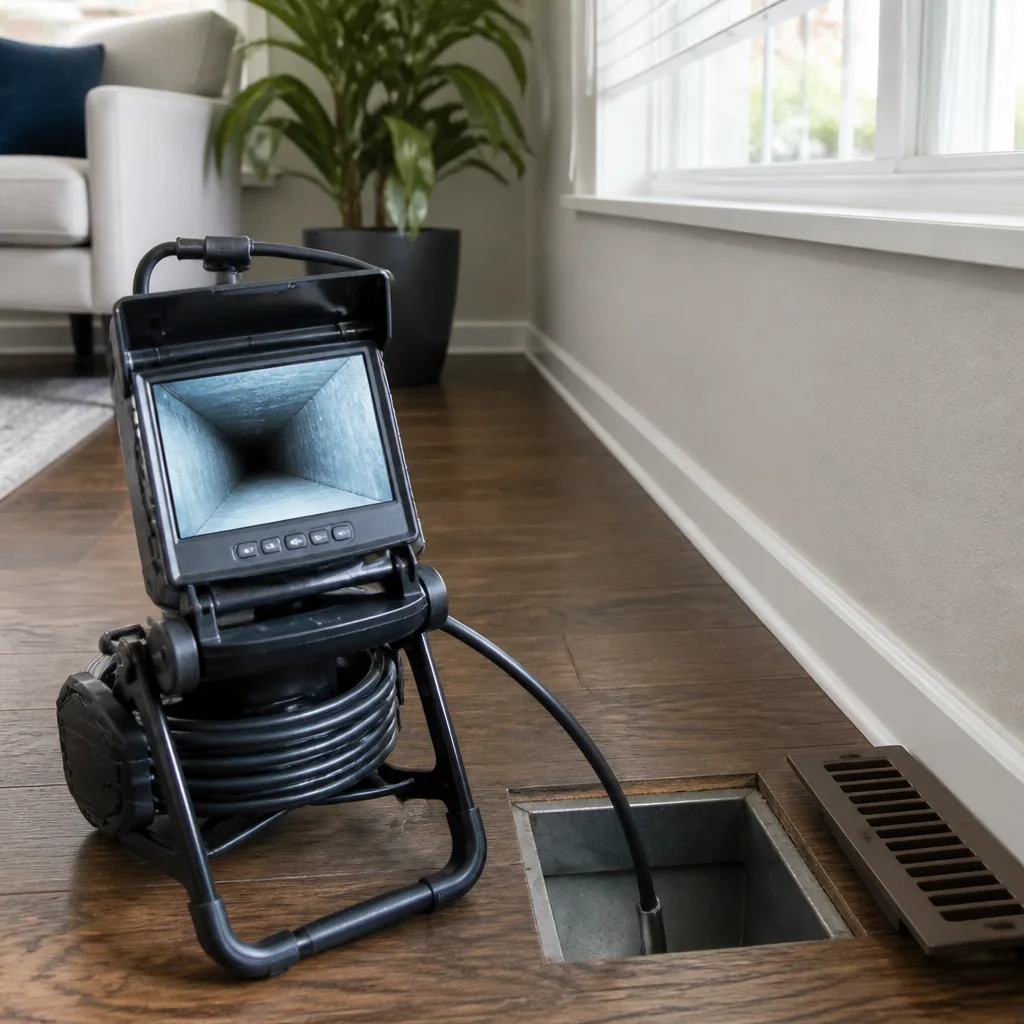
- Sanitizing & deodorizing
Table of Contents
- How Does TDLR Licensing Apply to Air Duct Work in Texas?
- What’s the Difference Between a Duct Cleaner and an HVAC Contractor?
- When Do Duct Modifications Trigger a Mechanical Permit?
- How HOA Rules Affect Dryer Vents and HVAC Equipment in Far North Dallas
- What to Ask a Contractor Before Authorizing Work
- What Does a Duct Inspection Actually Cover?
- Dryer Vent Rerouting and Code Requirements
- What Does Duct Cleaning and Sealing Cost in Far North Dallas?
How Does TDLR Licensing Apply to Air Duct Work in Texas?
The Texas Department of Licensing and Regulation (TDLR) licenses air conditioning and refrigeration contractors and technicians. That licensing framework covers installation, maintenance, and repair of HVAC systems – and any duct work that’s tied to how the system moves conditioned air falls into that bucket. Straight cleaning, where a technician removes dust and debris from already-existing ductwork without altering the system, generally sits outside the licensing requirement.
The line where that changes: when work affects the system’s ability to move air correctly. That means sealed joints that change static pressure, added or removed return runs, duct resizing, and any connection change at the air handler or plenum. Those tasks cross into HVAC contractor territory, and the person performing them should hold an active TDLR license.
What this means in practice for Far North Dallas homeowners:
- Dryer vent cleaning alone doesn’t require TDLR licensing.
- Air duct cleaning alone doesn’t require TDLR licensing.
- Duct sealing that changes system airflow typically does require an HVAC contractor.
- Rerouting or adding duct runs requires an HVAC contractor and usually a mechanical permit.
- Coil cleaning that involves disconnect and reconnect of refrigerant lines requires TDLR-licensed work.
We can’t speak for every company in the Far North Dallas area, but we’ve watched enough homeowners get caught off guard when a “cleaning” quote quietly morphs into structural work. That’s the moment to slow down and verify licensing. The local professional we connect homeowners with is licensed and insured as their state requires.
What’s the Difference Between a Duct Cleaner and an HVAC Contractor?
A duct cleaner removes contaminants from the ductwork. An HVAC contractor is licensed to modify, repair, and install the system that pushes air through that ductwork. Those are two distinct jobs with different scopes, and sometimes a single problem needs both.
Here’s the practical split:
- Duct cleaning – vacuuming, brushing, and sanitizing the interior of existing ductwork, plenums, and registers. Uses commercial contact-vacuum systems and HEPA-rated machines. No system alteration.
- HVAC contracting – sealing joints, repairing damaged flex or rigid duct, adding or removing returns, connecting to the air handler, and anything that changes the system’s airflow design.
- Dryer vent cleaning – cleaning lint and debris from the dryer exhaust pathway. Distinct service, distinct fire-safety purpose.
- Air quality assessment – measuring filtration performance, identifying leaks, and recommending filter upgrades like Honeywell or Aprilaire products.
In our experience in Far North Dallas, most jobs are pure cleaning. But when a technician pulls a register and finds a disconnected flex run in the attic, or a joint held together with tape that’s peeled away, the job can’t stay in the cleaning-only lane. Left alone, a cleaned duct system re-contaminates through the leak within weeks. That’s why we offer duct repair and sealing alongside cleaning – so the fix happens in the same visit rather than waiting for a second company to show up.
If your system includes aging flex duct in a hot attic, the integrity question comes up more often. Attics in this part of Texas get brutally hot from late spring through early fall, and flex duct that’s sagged or lost its outer jacket transfers heat and leaks air. air duct cleaning alone won’t fix that. A sealing pass does.
When Do Duct Modifications Trigger a Mechanical Permit?
This is where Far North Dallas gets complicated. The neighborhood sits within Dallas city limits and runs right up against Collin County cities like Plano, Frisco, and Allen. Each of those municipalities administers its own building department and its own interpretation of the mechanical code. A duct modification that requires a permit in Frisco may have a lighter-touch review in a Dallas neighborhood – or the reverse.
Generally, a mechanical permit is triggered when the work involves:
- Adding or removing a supply or return duct. Changing the number of outlets in a room alters the airflow design and load calculation.
- Resizing ductwork. Upsizing or downsizing runs affects static pressure and system balance.
- Rerouting duct runs. Moving a run to accommodate a remodel, a new wall, or a relocated air handler.
- Modifying the plenum or air-handler connection. Any change at the equipment interface.
- Installing new exhaust or dryer vent terminations through an exterior wall or roof. Often permitted under the mechanical code, and subject to structural and fire-blocking rules.
What usually doesn’t require a permit: cleaning, sanitizing, replacing filters, sealing existing accessible joints with mastic or approved tape, and replacing a filter cabinet or adding a whole-house filter at the existing return. Those are considered maintenance-level tasks.
Because the answer depends on your address and the specific task, the right move is always to call the city’s building department directly. Ask them: “Does sealing joints in existing ductwork require a mechanical permit?” and “Does adding a return duct in an interior wall require one?” The answer you get, in writing if possible, is what governs your job. Don’t let a contractor tell you permits are never needed – that’s not accurate in every Far North Dallas jurisdiction.
How HOA Rules Affect Dryer Vents and HVAC Equipment in Far North Dallas
Deed restrictions in Far North Dallas communities are more specific than most homeowners realize. When you replace or reroute a dryer vent termination, or when you add a piece of outdoor HVAC equipment like a condenser or a mini-split head, the HOA often has rules that go beyond what the city code says.
Common HOA restrictions that come up in this area:
- Termination location and style. Many HOAs restrict front-facing vent terminations so the wall stays visually clean from the street. That may mean rerouting a dryer vent to a side or rear elevation even when the code allows the front.
- Approved vent cap and louver styles. Some communities specify particular vent cap materials or colors to match the brick and trim.
- Equipment screening. Condenser units and outdoor equipment often need to be hidden from street view by fencing or landscaping.
- Setback from property lines. Rules on how close a condenser or exterior equipment can sit to a fence line or neighboring structure.
- Roof penetrations. Some HOAs limit new vent terminations through the roof, which matters if you’re relocating a dryer vent or adding a bath exhaust run.
None of these HOA rules replace a city permit requirement. They exist in parallel. A vent reroute could satisfy the mechanical code and still violate deed restrictions, or vice versa. The safest sequence is to read your HOA’s architectural guidelines first, then call the city to confirm permit requirements, then schedule the work.
For homeowners we work with in Far North Dallas, we always ask about HOA restrictions before recommending a termination location for a dryer vent. dryer vent cleaning itself doesn’t touch the termination, but if the vent run needs to be rerouted to meet HOA rules, the conversation needs to happen before the technician climbs into the attic.
What to Ask a Contractor Before Authorizing Work
Most homeowners don’t know what to ask. Here are the questions that actually matter, with a line on what a good answer sounds like.
- “What’s your license class?” If the work involves HVAC modification, the contractor should hold an active TDLR air conditioning and refrigeration contractor license. Ask for the license number and verify it on the TDLR website before you sign anything. Cleaning-only work doesn’t require it, but the moment structural work enters the estimate, the license becomes non-negotiable.
- “What equipment are you bringing?” Professional duct cleaning uses commercial contact-vacuum systems and HEPA-rated machines, not a shop vac with a long hose. We use Rotobrush and Nikro equipment on every job – the same tools deployed in commercial and remediation work. Ask what they’re bringing; a vague answer tells you something.
- “Do you seal duct leaks, or just clean?” Cleaning without sealing leaves the system open to recontamination. If the answer is “we just clean,” expect a second service call.
- “Will you document the work?” Before-and-after photos of your own ducts, taken during the service, are standard for any company doing serious work.
- “Will the estimate be written?” Get the scope, the price, and the specific tasks listed. One flat price per system agreed before the work starts is the simplest way to compare quotes.
- “Does this need a permit?” A contractor who says “never” for every job isn’t being straight with you. A contractor who explains the difference between cleaning and modification is worth listening to.
- “Are you insured and bonded?” Ask for proof. The local pro we connect you with is licensed and insured as their state requires.
That said, we’ve learned that the most useful step is often just asking the contractor to walk you through the job in plain terms before signing. A good one can. A bad one changes the subject.
What Does a Duct Inspection Actually Cover?
A duct inspection is not the same as a permit inspection. When a city inspector signs off on a mechanical permit, they’re checking that the installation matches the approved plans and the mechanical code. When a cleaning company inspects ductwork, they’re looking at contamination, integrity, and airflow. Both matter, and they happen at different points.
Here’s what a proper duct inspection during a cleaning visit covers:
- Contamination level. Photographs and condition notes from inside the main trunk and representative branch runs.
- Duct integrity. Look for disconnected flex runs, torn inner liners, sagging duct, and joints held together with tape that’s failed. Attic duct in Far North Dallas is exposed to extreme summer heat, which accelerates jacket deterioration.
- Seal condition. Mastic versus tape versus nothing. Sealed joints prevent the negative pressure in your return system from pulling attic air into the airstream.
- Air handler and plenum. Coil condition, drain pan, cabinet seals, and whether the filter is doing its job.
- Register and grille condition. Loose grilles, missing dampers, and airflow obstructions at the outlet.
- Dryer vent condition when the dryer vent is on the scope. Separate inspection, separate safety consequences.
When the inspection turns up duct leaks or damage, that’s when the repair-and-seal conversation happens. It’s also when the licensing question comes back into play if the fix is more than a simple reconnection. We repair what we find, not just clean around it, but when a job crosses into licensed HVAC work, we’re clear about that boundary.
Air quality you can measure, not just feel. After a cleaning and sealing pass, a filtration upgrade with a Honeywell or Aprilaire filter is the natural next step – the systems are only as good as what they capture on an ongoing basis. Ask about HVAC cleaning if the coil or air handler is part of the concern.
Dryer Vent Rerouting and Code Requirements
Dryer vent rerouting is the single most code-sensitive task in a typical residential air pathway. The reason is fire risk. Lint accumulation in a dryer exhaust run is a leading cause of household fires, and code is written to reduce that risk.
The code requirements that come up in Far North Dallas dryer vent work:
- Maximum run length. The International Residential Code limits the total developed length of a dryer exhaust duct. Long runs reduce airflow and increase lint buildup. If a reroute is required, the new path has to respect that limit.
- Minimum number of elbows. Each 90-degree elbow counts against the total length allowance. Fewer turns is better, always.
- Material restrictions. Rigid metal duct is the compliant material. Flexible foil or plastic transition duct is restricted because it traps lint and can crush. Any reroute that pulls out a rigid run and replaces it with flex is a downgrade, not an upgrade.
- Termination type. Exterior terminations must have a backdraft damper and be vented to the outdoors, not into an attic, crawlspace, or garage.
- Permit requirement. A reroute through a wall or roof typically requires a mechanical permit and an inspection. Confirm with your city’s building department, because Far North Dallas straddles multiple jurisdictions.
Dryer vent cleaning is a named service for us because too many duct-only companies look the other way. When we’re in the attic cleaning ducts, we check the dryer vent run too. If the run is full of lint or crushed flex, that’s a fire risk we don’t ignore. Our technicians have up to 13 years of experience watching these paths fail.
What Does Duct Cleaning and Sealing Cost in Far North Dallas?
Duct cleaning in Far North Dallas typically runs a few hundred dollars for a single-system home, with sealing and repair adding to the total when the inspection finds problems. Whole-system pricing is the honest way to compare quotes – per-vent pricing hides the total and is the source of most bait-and-switch complaints in this trade.
Typical estimated ranges for the common scopes:
| Service | Typical Estimated Range | What’s Included |
|---|---|---|
| Air duct cleaning – single system | Whole-system quote | Trunk, branch runs, registers, plenum, before-and-after photos |
| Air duct cleaning – multiple systems | Per-system quote | Each system priced individually, same scope as single |
| Duct sealing and repair | Quoted by scope | Mastic sealing, reconnecting flex runs, replacing failed joints |
| Dryer vent cleaning | Quoted per run | Lint removal from full run, vent termination check |
| Sanitizing treatment | Add-on quoted | Guardsman-grade sanitizing applied after cleaning |
| Filtration upgrade | Quoted by product | Honeywell or Aprilaire filter cabinet or media filter installation |
The written estimate sets the final price. That’s the whole point – one flat price per system agreed before any work begins, no surprise charges when the technician is standing in your hallway. When a quote sounds far cheaper than the others, ask what’s excluded: sanitizing, sealing, dryer vent, register covers, and photo documentation are the usual omissions.
For a broader look at what a full-service visit involves, see air duct cleaning Far North Dallas. And if you want to combine duct and dryer vent work in one visit, we do that too.
Common Mistakes to Avoid
- Assuming permits are never needed. Cleaning doesn’t require a permit, but sealing, rerouting, or adding duct runs usually does. Always confirm with the building department for your specific Far North Dallas address, because Collin County cities have their own rules.
- Authorizing modification work from an unlicensed cleaner. Once the job moves beyond cleaning, the contractor needs a TDLR license. If they don’t have one, they’re not the right person for the work – and any resulting code problem lands on you as the homeowner.
- Skipping the HOA check before a vent reroute. A dryer vent relocation that meets the mechanical code can still violate deed restrictions in Far North Dallas communities. Read the architectural guidelines before the work starts, not after.
- Cleaning without sealing. If the ducts have leaks, cleaned ducts re-contaminate in weeks. Ask whether the estimate includes a sealing pass and photo documentation of what was found.
- Choosing on price alone. Whole-system pricing beats per-vent pricing for a reason. A quote that looks half the going rate is usually excluding half the work.
- Ignoring the dryer vent entirely. Duct cleaning visits that skip the dryer vent miss a leading household fire risk. Ask explicitly whether the dryer vent is on the scope.
- Not asking for the license number in writing. Anyone can say “we’re licensed.” Verify the number on the TDLR website before signing off on structural work.
See the difference
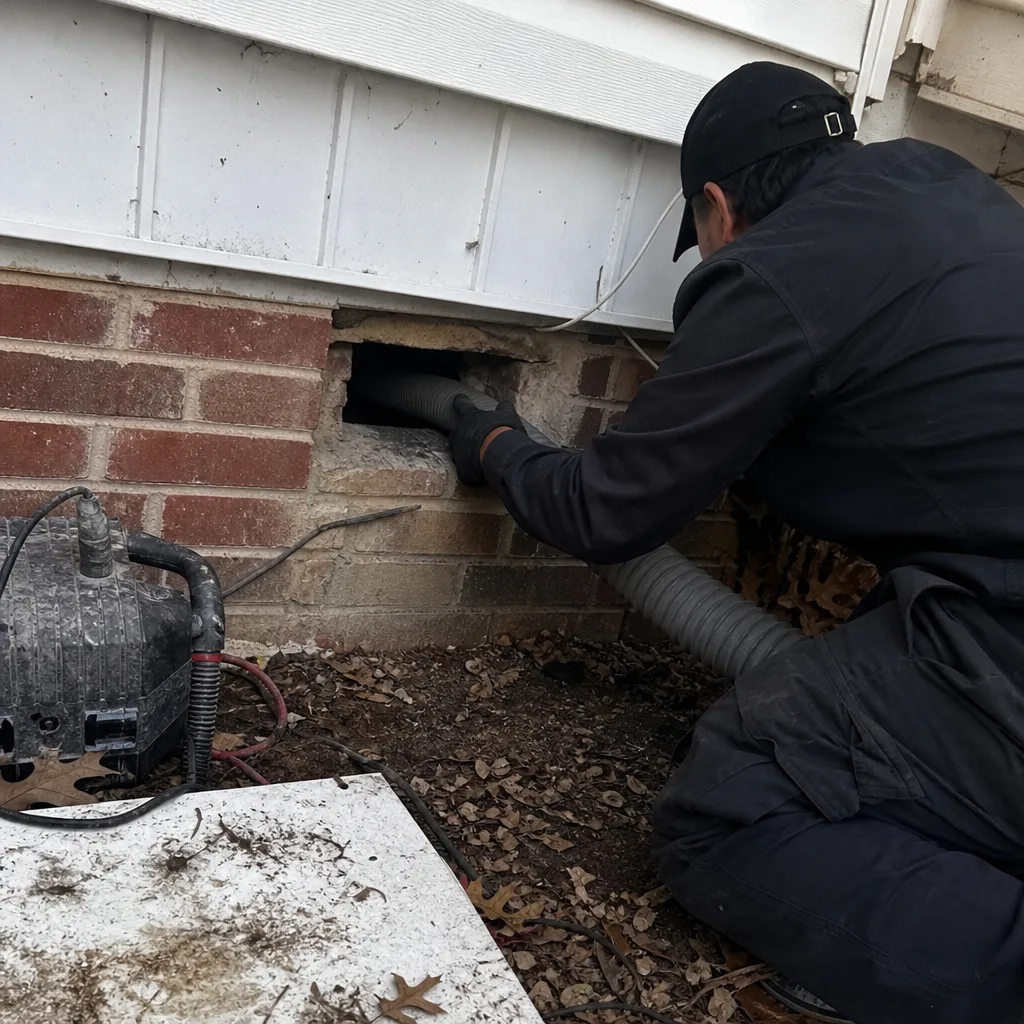 Before
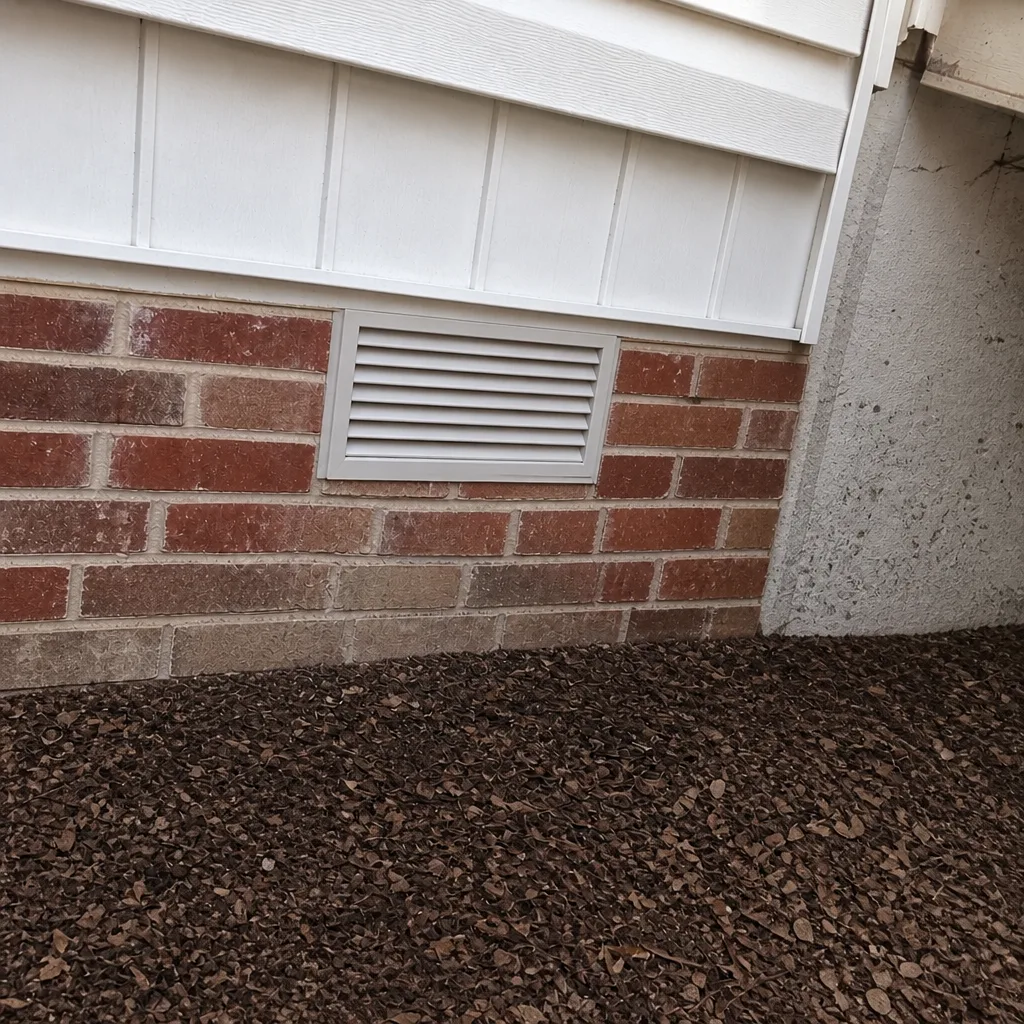 After
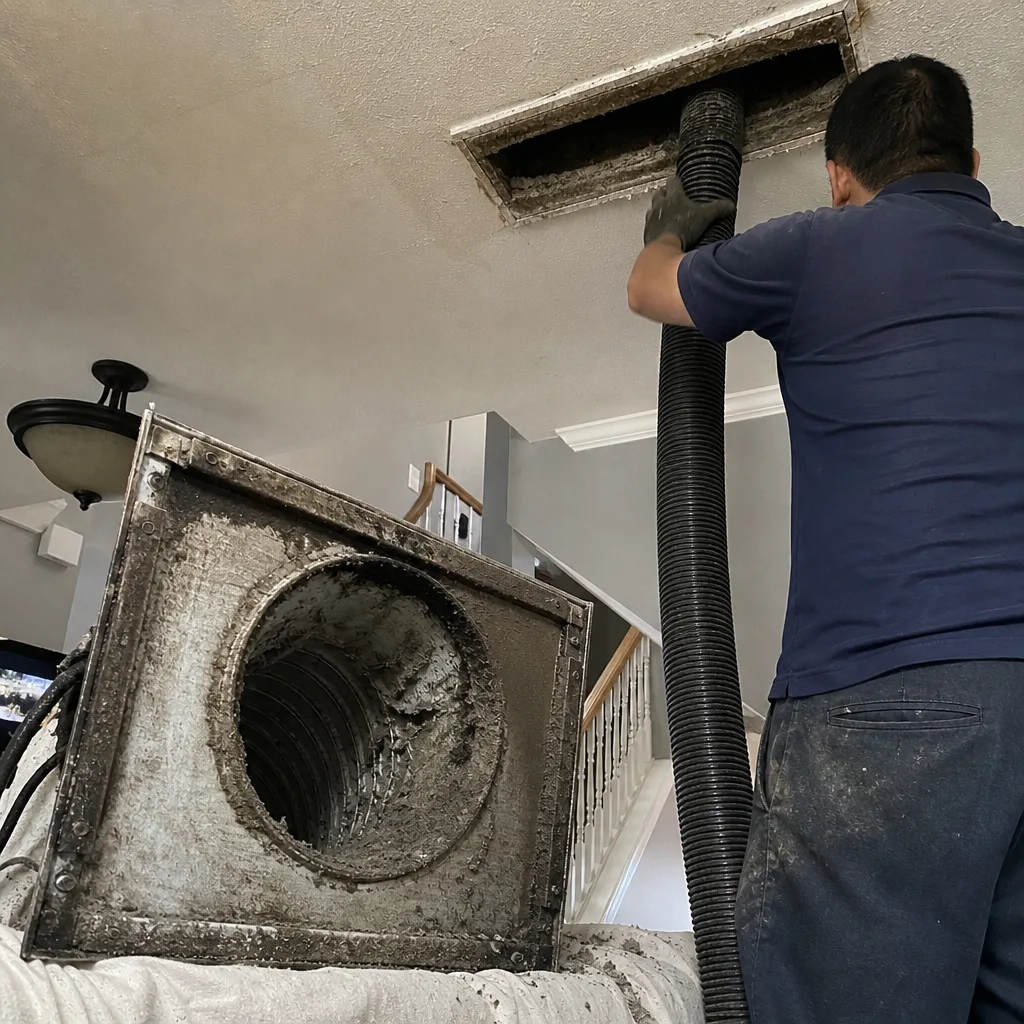 Before
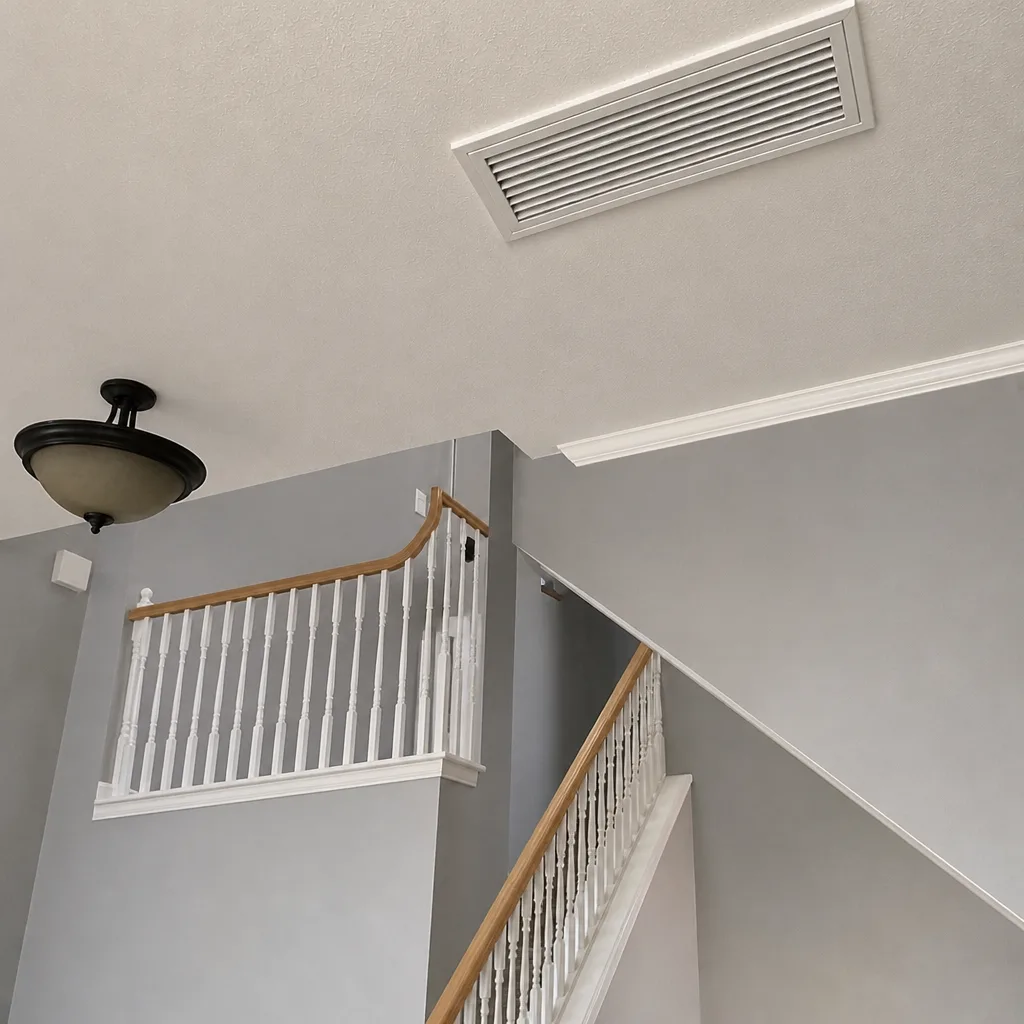 After
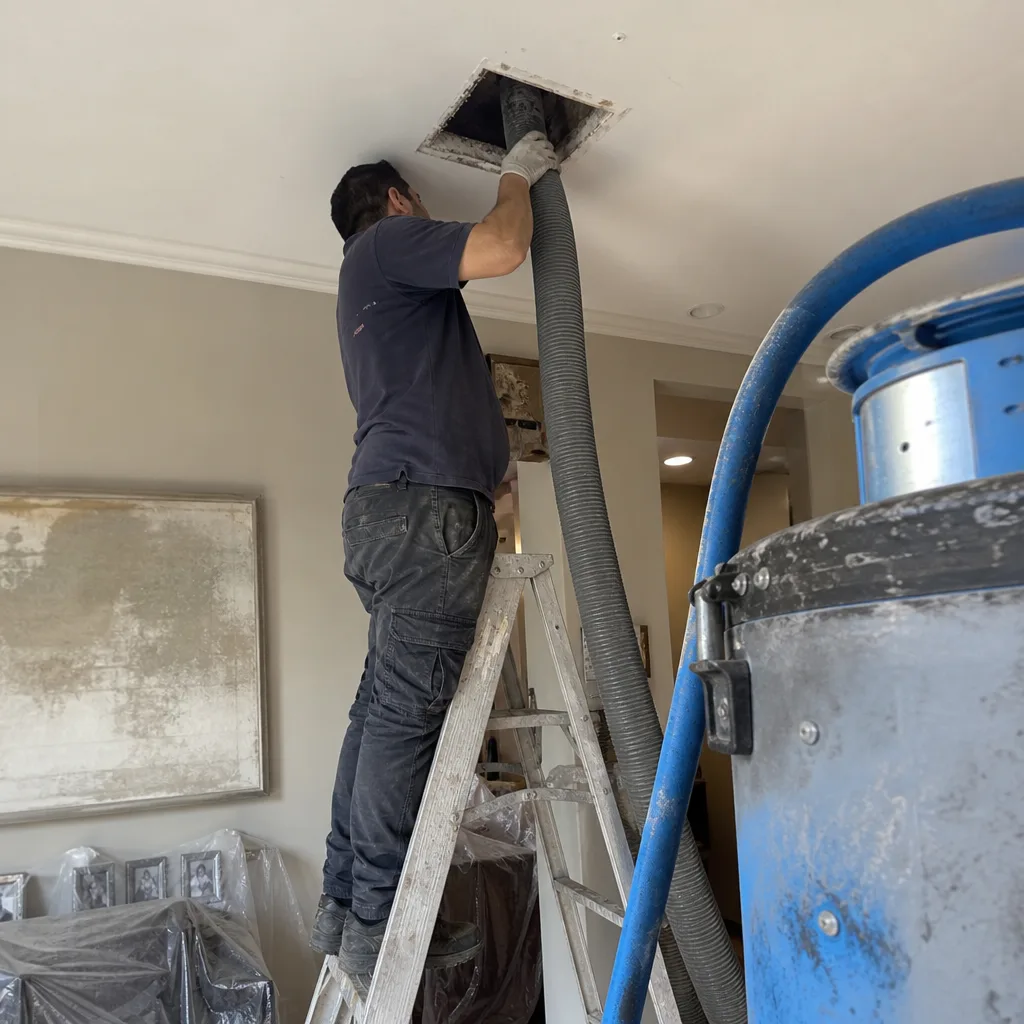 Before
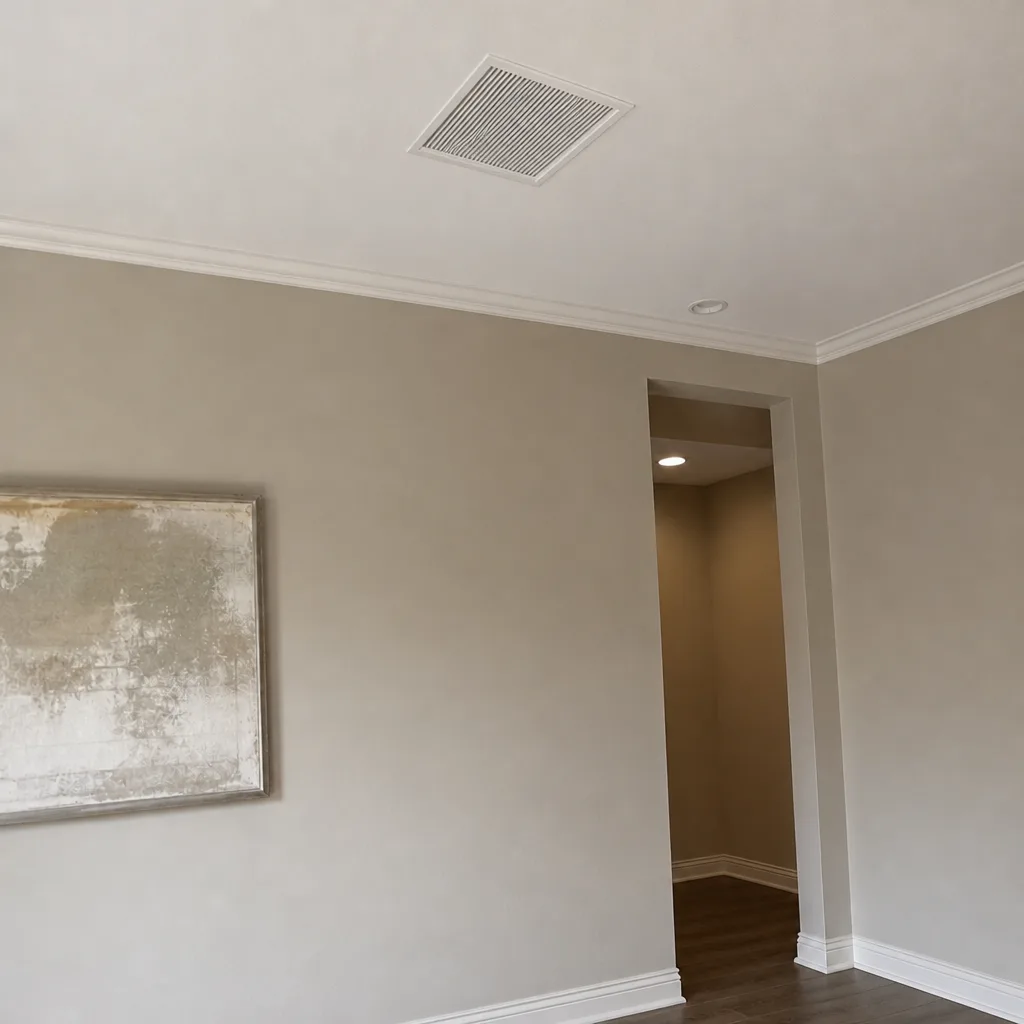 After
When to Call a Professional
Call a professional duct service when you notice visible dust streaks around registers, an unexplained rise in allergy symptoms at home, or a system that runs longer than it used to without obvious cause. Call one before you close on a newly purchased home in Far North Dallas, since a cleaning and inspection gives you a documented baseline. Call one when the ducts were last cleaned more than a few years ago and the home has had renovations, pets, or water intrusion since. And call one when you’re considering a dryer vent reroute, an added return duct, or any sealing work – those are the jobs where licensing and permits matter. Air Duct Cleaning Far North Dallas offers free estimates in Far North Dallas – call (877) 792-7498. We answer 24/7. Fast dispatch from 7am to 7pm, Sunday through Friday.
Frequently Asked Questions
No. Standard air duct cleaning does not require a permit in Far North Dallas or anywhere in Texas, because it doesn’t alter the HVAC system. A permit is only triggered when the work involves modification – adding or removing returns, resizing duct, rerouting runs, or changing the connection at the air handler. Call (877) 792-7498 for a free estimate – we’ll tell you upfront whether your job is cleaning-only or crosses into permit territory.
Sometimes. Sealing accessible joints with mastic as part of a cleaning visit is usually treated as maintenance. But once the sealing changes the system’s airflow design, or involves repair at the air handler or plenum, the work falls into TDLR-licensed HVAC contractor territory. When in doubt, ask your contractor what license class they hold and verify it on the TDLR website. Call (877) 792-7498 for an estimate that spells out the scope.
Check your property’s taxing jurisdiction and city limits using the county appraisal district website, then call the matching city’s building department directly. Far North Dallas runs right into Plano, Frisco, and Allen, so a few blocks can change the answer. The city that issues your building permits is the one whose mechanical permit requirements apply. Call (877) 792-7498 for a free estimate – we’ll help you sort out which jurisdiction you’re in.
Yes, in some communities. Deed restrictions frequently control exterior vent termination location, cap style, and even visibility from the street. Your HOA’s architectural review process typically needs to approve a termination change before work begins, regardless of what the city code allows. Read your architectural guidelines first, and if you need a bid to submit with the request, call (877) 792-7498 – free estimates.
For most Far North Dallas homes, every three to five years is a reasonable interval, closer to every two to three if you have pets, allergies, recent renovations, or a smoker in the home. Homes that have never had it done, or that have visible dust around registers, should be cleaned sooner. The honest answer depends on the home – call (877) 792-7498 for a free estimate and an assessment of what your system actually needs.
A duct cleaning company removes contaminants from existing ductwork and can sanitize and document the work. An HVAC contractor is licensed by TDLR to modify, repair, and install the system. Some jobs need both, which is why we offer duct repair and sealing alongside cleaning – a cleaned duct with a leaky joint just re-contaminates, and fixing the seal is part of the same visit. Call (877) 792-7498 for a free estimate.
The Bottom Line
Air duct cleaning in Texas is largely unregulated in its simplest form, but the moment a job crosses into modification, licensing and permits come into play. Far North Dallas homeowners have an extra layer to navigate because the neighborhood straddles Dallas and Collin County jurisdictions, each with its own building department and its own HOA rules. The practical path is straightforward: confirm your city’s permit requirement for any structural work, verify the contractor’s TDLR license when the job involves HVAC modification, check HOA guidelines before rerouting a vent, and insist on whole-system written pricing with before-and-after documentation. Cleaning alone is safe and straightforward. Modification is where the questions need asking.
If you want a straight answer on your specific Far North Dallas home, call Air Duct Cleaning Far North Dallas at (877) 792-7498 for a free estimate. We answer 24/7. Fast dispatch from 7am to 7pm, Sunday through Friday. Professional-grade Rotobrush and Nikro equipment on every job, Guardsman-grade sanitizing after cleaning, and full-scope service from ducts to dryer vents to sealed joints.
Written by the team at Air Duct Cleaning Far North Dallas.