
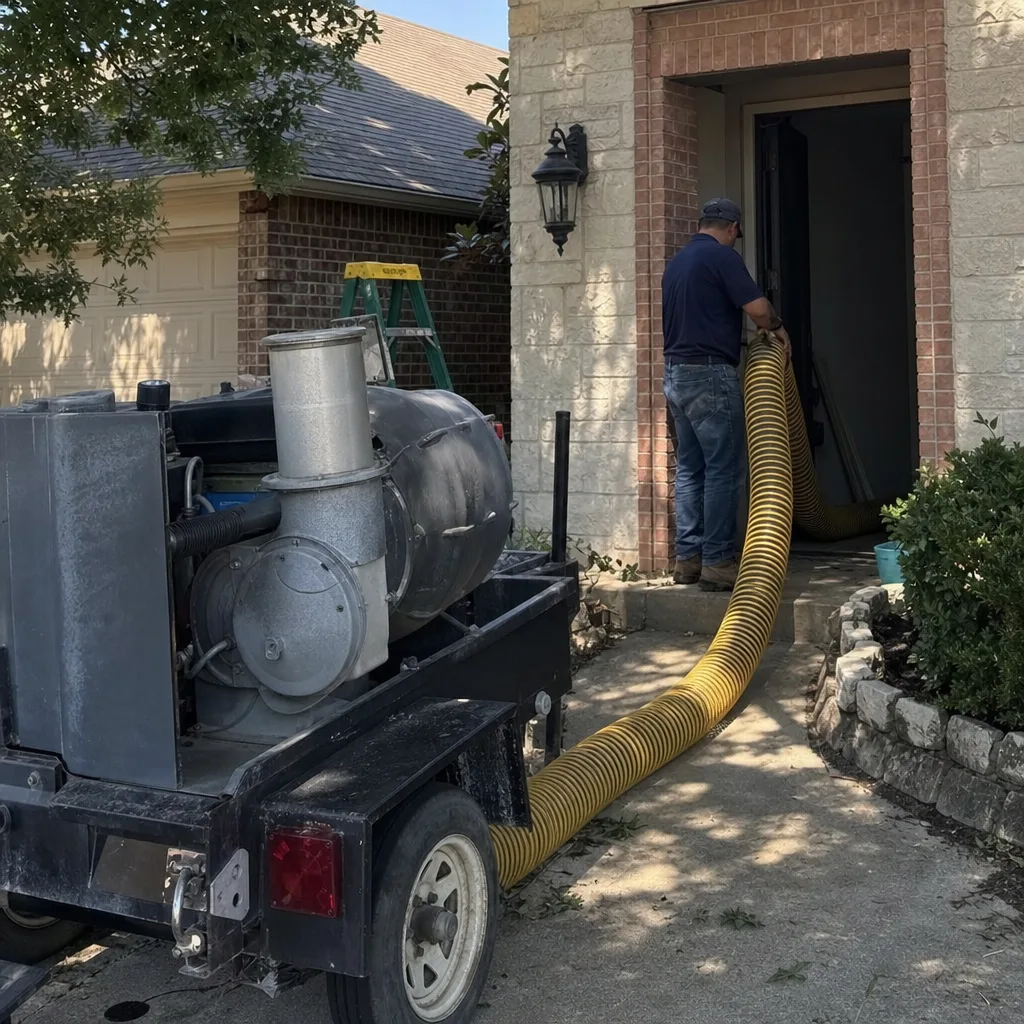
Last updated November 23, 2026
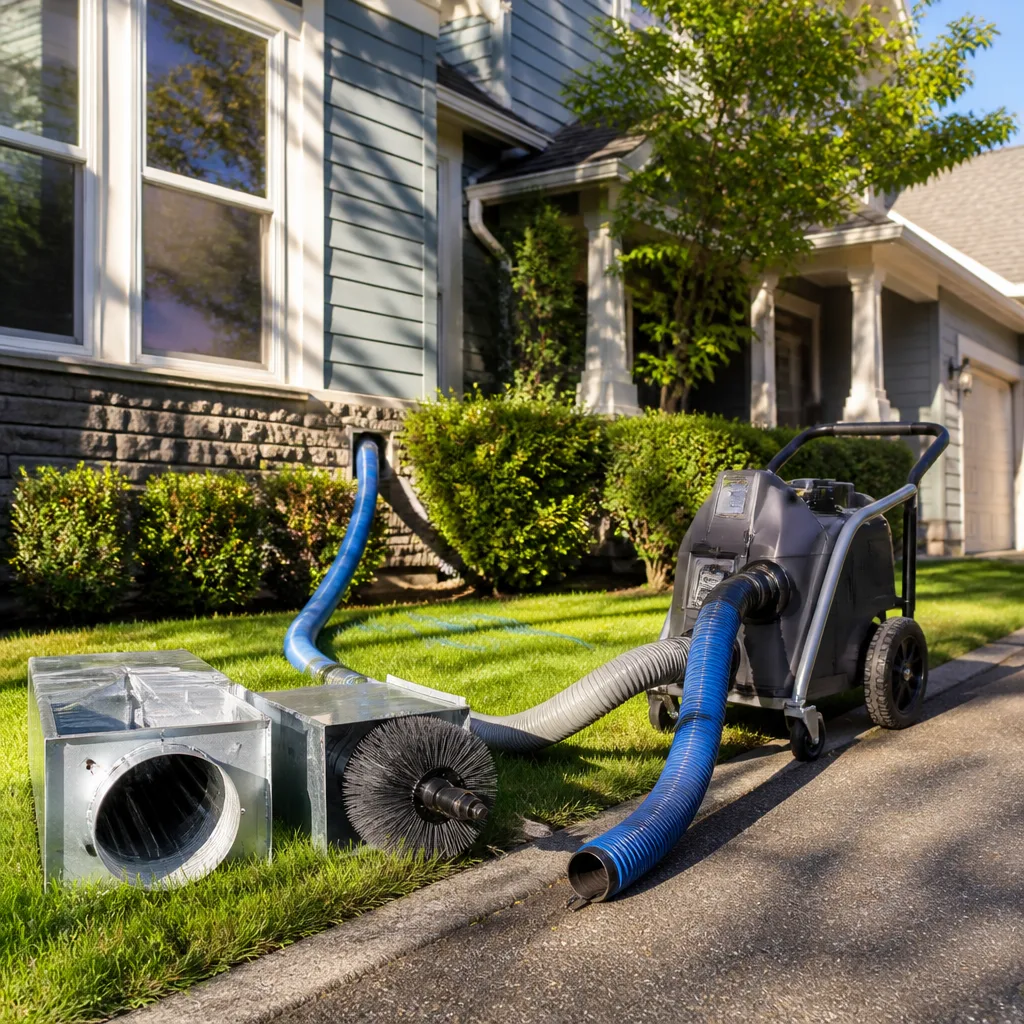 Whole-home duct cleaning
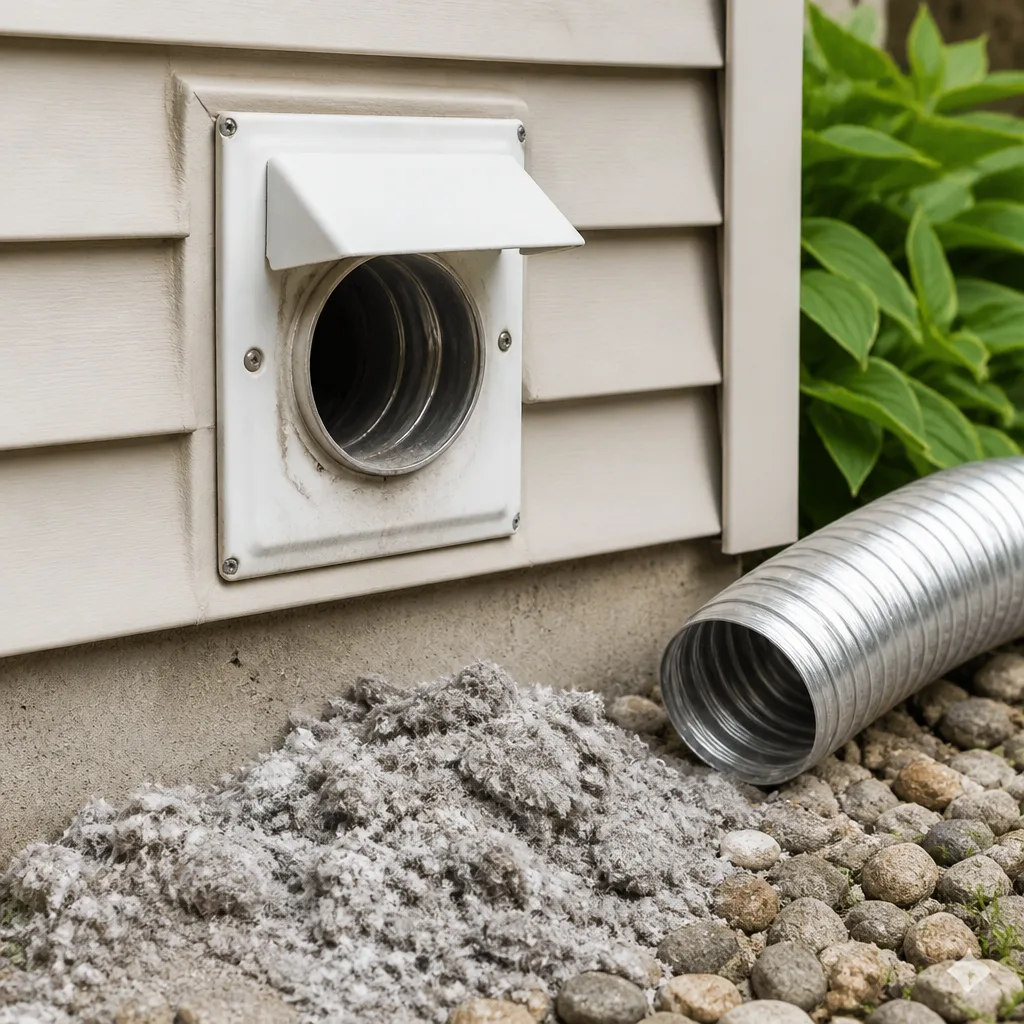 Dryer vent cleaning
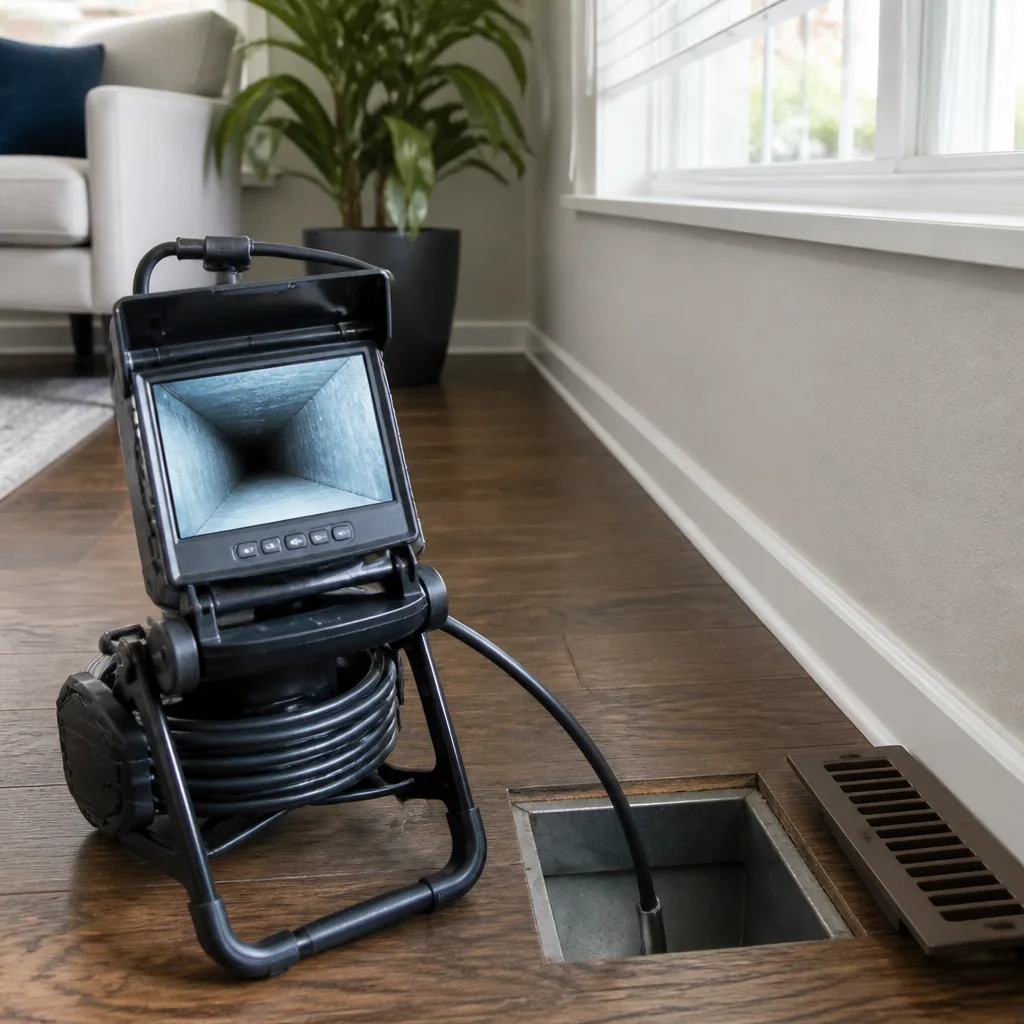 Camera inspection
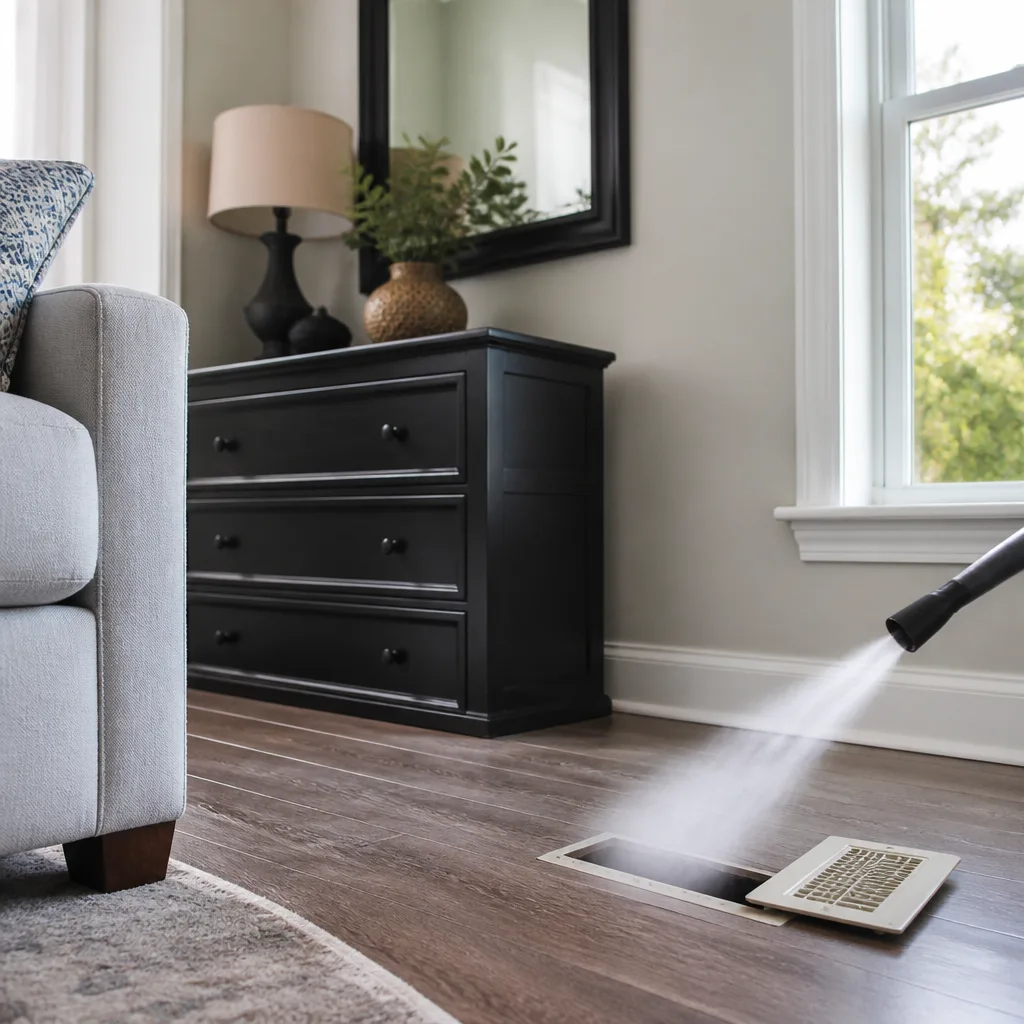 Sanitizing & deodorizing
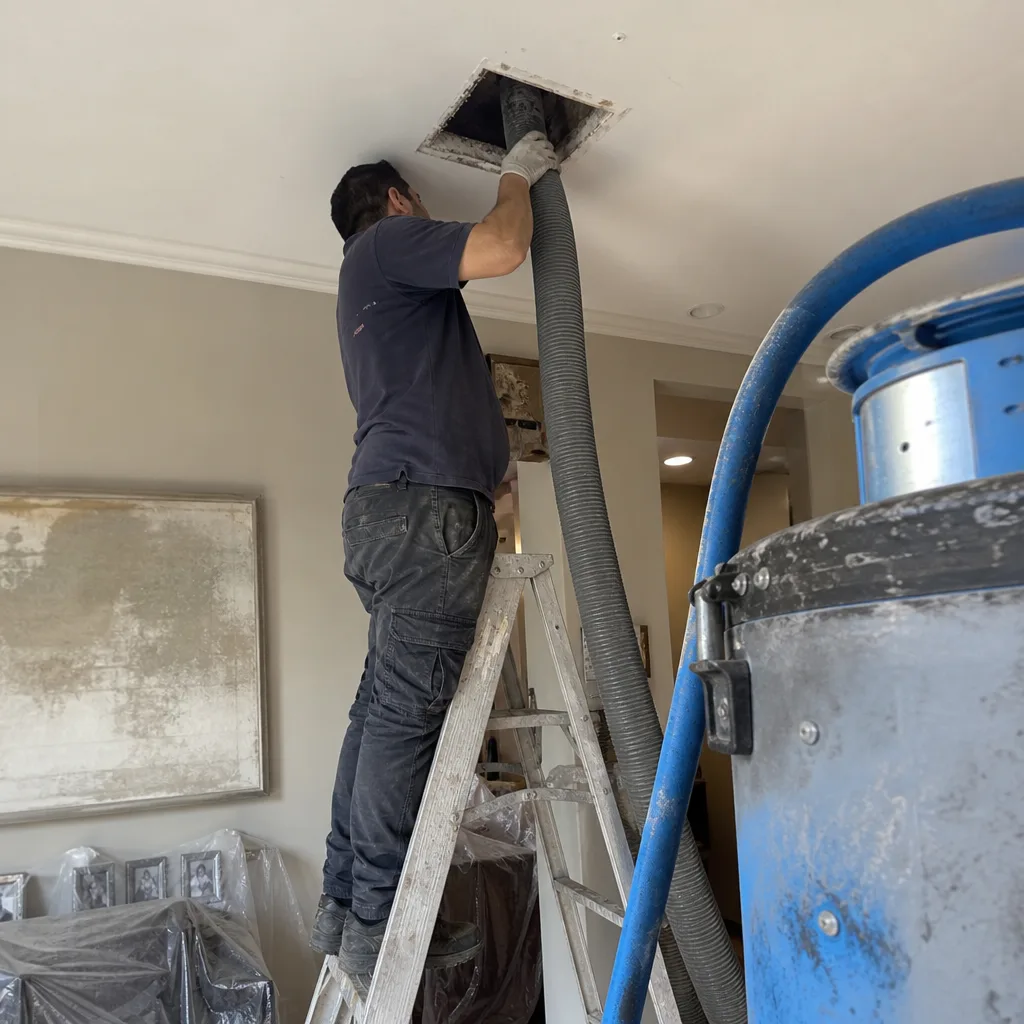
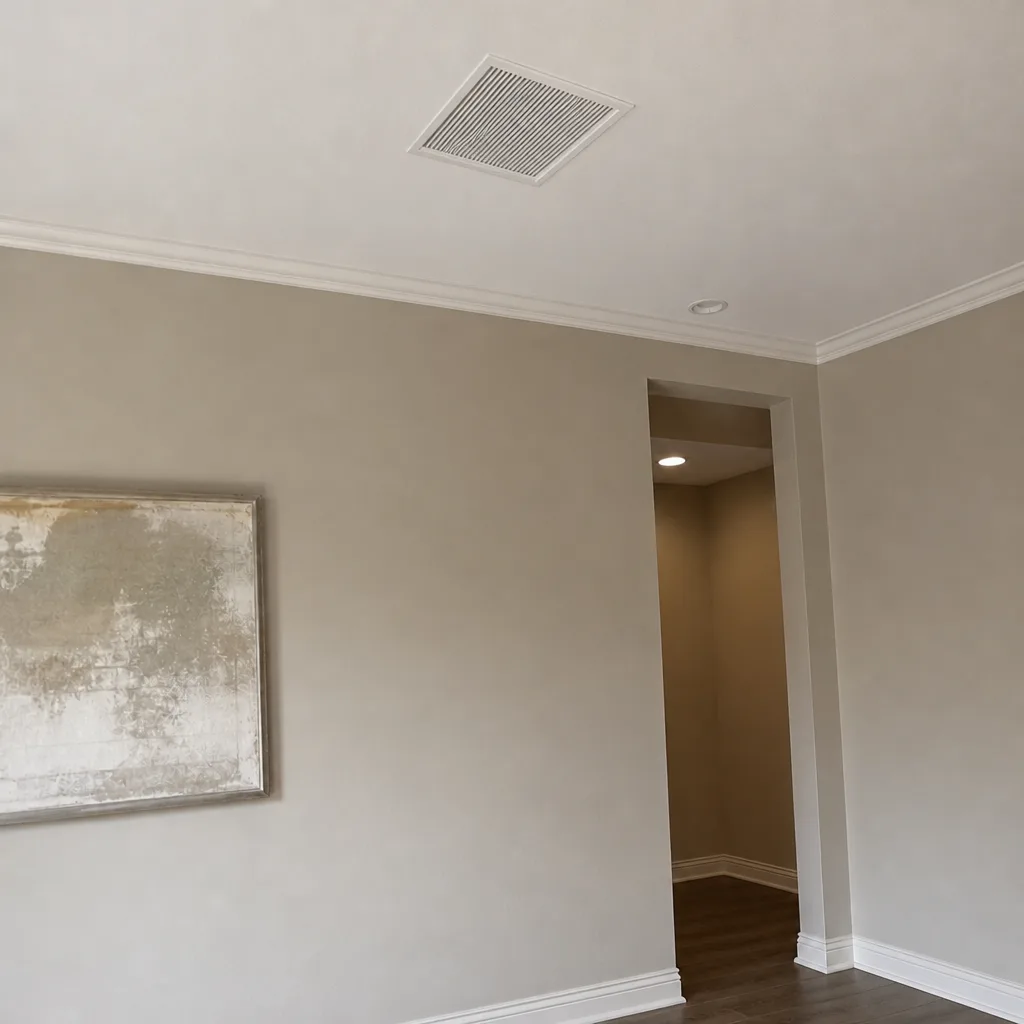
Whole-system duct and dryer vent check with before-and-after photos - you see exactly what came out of your vents
That "$99 whole-house special" is a bait ad - the real number appears once they are in your hallway, or the "clean" is a shop-vac at the register. We photograph the inside of your ducts before and after instead.
How to Hire an Air Duct Cleaning Contractor in Far North Dallas: A Step-by-Step Guide
Most people assume the hardest part of hiring a duct cleaner is finding someone with the lowest price. It’s the opposite. The hard part is telling a real contractor apart from a one-tech operation with a shop vac and a doorhanger special, because both of them quote a phone number, both promise HVAC cleaning, and only one of them actually removes what’s built up in your ductwork and out of your family’s air. That’s the problem this guide solves. We’re going to walk through the exact questions to ask, the equipment specs that matter, how to check a Texas license, what a legitimate work report should contain, and the quote structures that quietly tell you what a company is really set up to do. By the end, you’ll know how to hire an air duct cleaning contractor in Far North Dallas with enough confidence to sign off on the work, not just the price.
Quick Answer
Hiring an air duct cleaning contractor in Far North Dallas comes down to four things: confirming they use professional-grade vacuum systems with real contact agitation (not a shop vac), verifying their TDLR credentials for HVAC-adjacent work, refusing per-vent pricing in favor of a single whole-system quote, and asking for a documented post-service report you can review. Equipment, licensing, quote structure, and verification are the four filters that eliminate the bait-and-switch category of operators. Everything below walks through each one in detail.
Styles & brands we work with
- Whole-home duct cleaning
- Dryer vent cleaning
- Camera inspection
- Sanitizing & deodorizing
Table of Contents
- What Equipment Should You Expect Before You Book?
- What Does NADCA Membership Actually Mean?
- How Do You Verify Licensing With the Texas Department of Licensing and Regulation?
- Per-Vent vs. Whole-System Pricing: What Each Structure Incentivizes
- What Should the Actual Cleaning Process Look Like?
- What Should a Legitimate Post-Service Report Contain?
- Why Repair and Sealing Matter Alongside Cleaning
- When Does Duct Cleaning Actually Make Sense?
What Equipment Should You Expect Before You Book?
Professional air duct cleaning equipment falls into two categories, and the companies that do the job right use both. Suction systems pull the contamination out; agitation tools loosen it first. Without the second part, suction passes over settled debris and leaves most of it where it started. This is the single most common gap in what gets sold as duct cleaning in Far North Dallas.
Suction systems: what CFM actually means
Vacuum systems are rated by CFM, or cubic feet per minute. Truck-mounted units in the commercial range move well over 10,000 CFM. Portable units vary wildly. Consumer-grade shop vacs run in the hundreds of CFM and have no place in a whole-house duct system – they can’t generate enough airflow to lift settled contaminants in a Far North Dallas home with a typical multi-return layout. When you talk to a contractor, ask directly: what CFM does your vacuum system produce, and is it truck-mounted or portable?
Contact vacuuming and agitation
Contact vacuuming means the cleaning head physically contacts and agitates the duct wall – the tool does the lifting, not just the airflow. Rotobrush systems are the standard here: a rotating brush or whip that scrapes the duct interior while the vacuum pulls debris upward. On the equipment side we work with Rotobrush contact-vacuum agitation paired with Nikro HEPA-rated machines. HEPA at the exhaust matters, because if the return air from your ductwork passes through a filter that isn’t rated correctly, the fine particulate goes straight into the room where you’re standing.
Ask three things in the first phone call:
- Do you use contact vacuuming with a rotating brush, or does your process rely on airflow alone?
- What CFM does your suction system produce, and where does the exhaust air go?
- Is your HEPA filtration a HEPA-rated unit or a “HEPA-like” filter?
The answers will tell you more in five minutes than a review page ever could.
What Does NADCA Membership Actually Mean?
NADCA is the National Air Duct Cleaners Association, and membership signals that a company has committed to the association’s published standard for how duct cleaning should be performed. That standard, ACR, defines the scope, the method, and the source removal requirement that separates a real cleaning from a surface wipe. It’s a real, useful marker. It is not, however, what most homeowners assume it is.
What NADCA membership does guarantee
- The company has agreed to follow NADCA’s ACR standard of care.
- They understand the concept of “source removal” – the emphasis on pulling contamination out of the system, not sealing it in or blowing it around.
- They subscribe to a code of ethics that discourages the doorhanger pricing model that misleads homeowners in Far North Dallas.
What NADCA membership does not guarantee
- Not every technician on every job has been individually certified. Membership is at the company level; ask what training the crew that shows up has actually completed.
- It is a voluntary trade association credential, not a license or a government credential. NADCA compliance and Texas licensing are two different things, and you need both.
- It says nothing about the specific equipment that will arrive at your door. A member company can still use underpowered tools on some jobs.
In our experience, NADCA membership is a good starting filter and a terrible stopping point. Pair it with equipment questions before booking and a TDLR check before the truck arrives.
How Do You Verify Licensing With the Texas Department of Licensing and Regulation?
Air conditioning and refrigeration work in Texas – including much of what surrounds a full-duct-system cleaning job – is regulated through the Texas Department of Licensing and Regulation (TDLR). The ACR contractor license class covers air conditioning and refrigeration, and it’s through this licensing system that the state tracks who is legally able to work on the mechanical system connected to your ducts. Duct cleaning itself is a gray zone; duct repair, sealing, and any work on the air handler or coil sits solidly inside it.
The verification steps
- Ask for the company’s TDLR license number in writing before you book. A legitimate operator will not hesitate to send it.
- Look the number up on the TDLR website. The search is free, public, and takes under two minutes.
- Confirm the license status is active, and that the name on the license matches the company name on your quote.
- Ask whether the technicians who perform the work are covered under the company’s insurance. “Licensed” and “insured” are two different facts and both matter.
- If the quote includes duct repair or sealing – and it should if the system needs it – confirm the license class covers that scope of work.
The category of operator that advertises an $89 whole-house special typically can’t produce a TDLR number, because they aren’t licensed to do HVAC-adjacent work and they aren’t set up to do it. This is one of the simplest and most reliable filters you can apply. If a company won’t send a license number, you’ve found your answer without picking up the phone twice.
For more on how a properly licensed and vetted local pro actually performs the work from the vent cover to the air handler, see our overview of Air Duct Cleaning Far North Dallas.
Per-Vent vs. Whole-System Pricing: What Each Structure Incentivizes
Two quote structures dominate the market in Far North Dallas, and the difference is less about price than about incentives. Per-vent pricing charges a flat rate for each vent cover in the system. Whole-system pricing charges one flat price for the entire system regardless of vent count. They are not equivalent, and they lead to very different outcomes.
What per-vent pricing incentivizes
Per-vent pricing rewards the contractor for counting vents and for upselling more of them. If they spend ten minutes per vent with a portable tool, the invoice can climb quickly. The incentive runs toward speed per vent and toward selling you additional services you may not need. On high-vent-count Far North Dallas homes with multiple returns, per-vent pricing also makes it deceptively easy to quote a low headline number and then add on-site.
What whole-system pricing incentivizes
Whole-system pricing rewards the contractor for doing the job right the first time, because the invoice doesn’t change based on how much effort the job actually requires. That’s the structure we work on: one flat price per system, agreed before work starts, no per-vent pricing, and no coupon-based on-site surprises. It means the quote you received is the price you pay. If the work uncovers something extra – a disconnected run, a failed joint, a dryer vent long overdue – we tell you before anything changes.
The bait-and-switch pattern to watch for
The $89 or $99 “whole house special” that gets distributed on doorhangers across Far North Dallas neighborhoods like Prestonwood and Bent Tree is the deep end of this pattern. The number on the doorhanger is a lead-in; the actual job is quoted in person, after the technician sees the home. By then the conversation is not about whether to clean, but about how much. Ask for the entire price in writing before any technician is scheduled, and decline any quote that gets repriced on arrival.
What Should the Actual Cleaning Process Look Like?
A real duct cleaning job is a sequence, not a single service call. Understanding the sequence is the best way to know whether the job you’re paying for actually happened once the crew has loaded up and left. Here’s what a legitimate process should involve in a Far North Dallas home.
- Pre-cleaning inspection. The technician opens the system at the air handler and at the supply and return registers, looks inside with a camera or a light, and confirms the scope. Any disconnected runs or damaged joints get flagged before cleaning starts.
- Containment and negative pressure. A commercial vacuum establishes negative pressure on the system before agitation begins. This is the step that matters most and the step most often skipped. Without it, brushing the ducts redistributes contamination into the living space. Abatement Technologies air-containment systems are what we use on this side of the job.
- Agitation with contact vacuuming. The Rotobrush-style rotating brush runs each run of ductwork. The technician works from the branches back toward the air handler so loosened debris travels with the airflow.
- Air handler and coil cleaning. If HVAC cleaning is on the scope, the blower compartment, coil, and drain pan get attention. A clean duct system feeding a dirty coil is only half the picture.
- Sanitizing. Guardsman-grade sanitizing treatment is applied after cleaning, not before. Applied to cleaned surfaces it lasts; applied to contaminated surfaces it doesn’t.
- Repair and sealing during the same visit. Any disconnected duct run, failing tape joint, or crushed flex is repaired before the crew packs up. Cleaned ducts with open leaks re-contaminate quickly. Ask your contractor to include this step in the original quote so it isn’t a follow-up appointment.
- Final inspection and photo documentation. Before-and-after photos at the air handler and at representative vents give you the record you’re paying for.
Ask any contractor you’re considering to walk you through their version of this sequence. If they can’t describe what happens at step six, the quote isn’t complete yet. See HVAC cleaning for the system-side portion in more detail.
What Should a Legitimate Post-Service Report Contain?
A post-service report is the difference between work you can verify and work you have to take on faith. Any legitimate air duct cleaning should leave you with a documented record of the scope, method, and results. If a contractor hands you nothing but a receipt, you have no way to confirm what was actually done.
What the report should contain
- The number of supply and return vents cleaned, both counted, matching what you asked for.
- The location of each vent – “upstairs hall bath” not just “bathroom.”
- The equipment used, named specifically. Rotobrush, Nikro, Abatement Technologies, or equivalent professional equipment. Not “professional-grade vacuum.”
- Photographic before-and-after evidence at the air handler and at representative vents, of your own ducts, not stock photos.
- Any repairs performed – reconnected runs, resealed joints, replaced flex – with a note about where each was done.
- Any component flagged for follow-up, such as a coil that needs service or a dryer vent that requires its own cleaning.
- The sanitizing product used, if sanitizing was on the scope, and confirmation that it was applied after cleaning.
- Recommendation for next service interval – not a sales pitch, just the realistic timeline given your household.
The report matters because it forces specification. A contractor who names the equipment, counts the vents, and photographs the results is a contractor who has a process. A contractor who can’t produce any of that is a contractor who can’t tell you what was done, because the same job happens the same way whether the report exists or not. For the full scope of what a proper cleaning service includes, from ductwork to dryer vent, see air duct cleaning.
Why Repair and Sealing Matter Alongside Cleaning
Cleaning a duct system that leaks is often a wasted job. Sealed ducts hold pressure; leaky ducts run at lower pressure, cool unevenly, and pull unfiltered air into the system through every open joint. In our experience, a Far North Dallas home built in one of the neighborhood subdivisions of the 1990s or 2000s frequently has at least one disconnected run or failing tape joint somewhere between the air handler and the furthest register. Cleaning without repair means the cleaned ducts re-contaminate.
What repair looks like on a typical job
- Disconnected supply runs are reattached to the trunk with proper metal connectors and mastic, not just foil tape.
- Failing joints, especially at the air handler plenum and at takeoff collars, are resealed.
- Crushed or pinched flexible runs behind drywall chases are corrected, or flagged when they can’t be.
- Return-side leakage is addressed, since a leaky return pulls attic or wall-cavity air straight into the system.
Why filtration upgrades belong in the same conversation
Filtration is where air quality gets measured, not just felt. If a duct system is clean and sealed but the filter cabinet is undersized, the system is only as good as the filter that’s in it. We supply and install Honeywell and Aprilaire filtration products, so a proper filter cabinet or a media filter upgrade can happen in the same visit as cleaning and sealing rather than as a separate contractor call. That’s what “complete indoor-air solution” actually means – ductwork integrity and filtration addressed together, from the vent cover to the air handler, every section of the system.
Dryer vent cleaning is a separate service but the same principle. Dryer vents are a leading household fire risk and they need cleaning on their own schedule. See dryer vent cleaning for the full scope.
When Does Duct Cleaning Actually Make Sense?
Duct cleaning isn’t a service that benefits every home on a schedule. It benefits specific households with specific conditions. Here are the triggers that make it worthwhile in Far North Dallas.
- Recent renovation. Drywall dust, sawdust, and construction debris settle into the system and get pushed back into the air for months afterward if the ducts aren’t cleaned post-renovation.
- Recent home purchase. You don’t know the previous owner’s filter habits, pet situation, or duct condition. A cleaning and inspection establishes the baseline.
- Visible contamination at the registers. Dust streaks around supply registers or buildup on return grilles indicate that contamination is already bypassing the filter.
- Allergy or respiratory symptoms in the household. A clean, sealed, properly filtered system reduces the particulate load that a compromised system circulates.
- Pest activity in the attic or crawl. Rodent contamination in ductwork is a legitimate trigger and requires a cleaning, not just a filter change.
- Mold smell, musty odors, or visible growth. This is the highest-priority trigger. A system with moisture and microbial growth needs containment-grade remediation, not a standard cleaning, and you should ask specifically what containment equipment the contractor will use.
- Uneven heating or cooling across the home. Not a duct cleaning indicator per se, but a leaky, disconnected duct indicator – which is why cleaning and repair belong together.
For the full-scope service including assessment and sanitizing, our full-service air duct cleaning covers ductwork, dryer vent, and filtration as one visit rather than a series of calls.
Common Mistakes to Avoid
- Booking on price alone. The cheapest quote in Far North Dallas almost always represents a shop vac, a single technician, and no negative-pressure containment. Pay for the equipment, not the coupon.
- Accepting per-vent pricing without asking why. Per-vent pricing rewards counting vents; whole-system pricing rewards doing the job. Ask which structure the quote uses and why.
- Skipping the license check. A TDLR lookup takes two minutes and eliminates the entire category of unlicensed operators. Do it before scheduling.
- Leaving repair out of the original quote. Cleaned ducts with open joints re-contaminate in weeks. If the contractor doesn’t quote repair and sealing in the same visit, add it or book elsewhere.
- Accepting before-and-after photos that aren’t your ducts. Ask for photos of your air handler and a representative vent, before and after. Stock images mean nothing.
- Treating NADCA membership as the whole screening. It’s a good filter, not a complete one. Combine it with equipment and license questions before booking.
- Overlooking the dryer vent. A duct-only contractor won’t mention it, but the dryer vent is a leading household fire risk and needs its own cleaning schedule. Ask whether the company handles it.
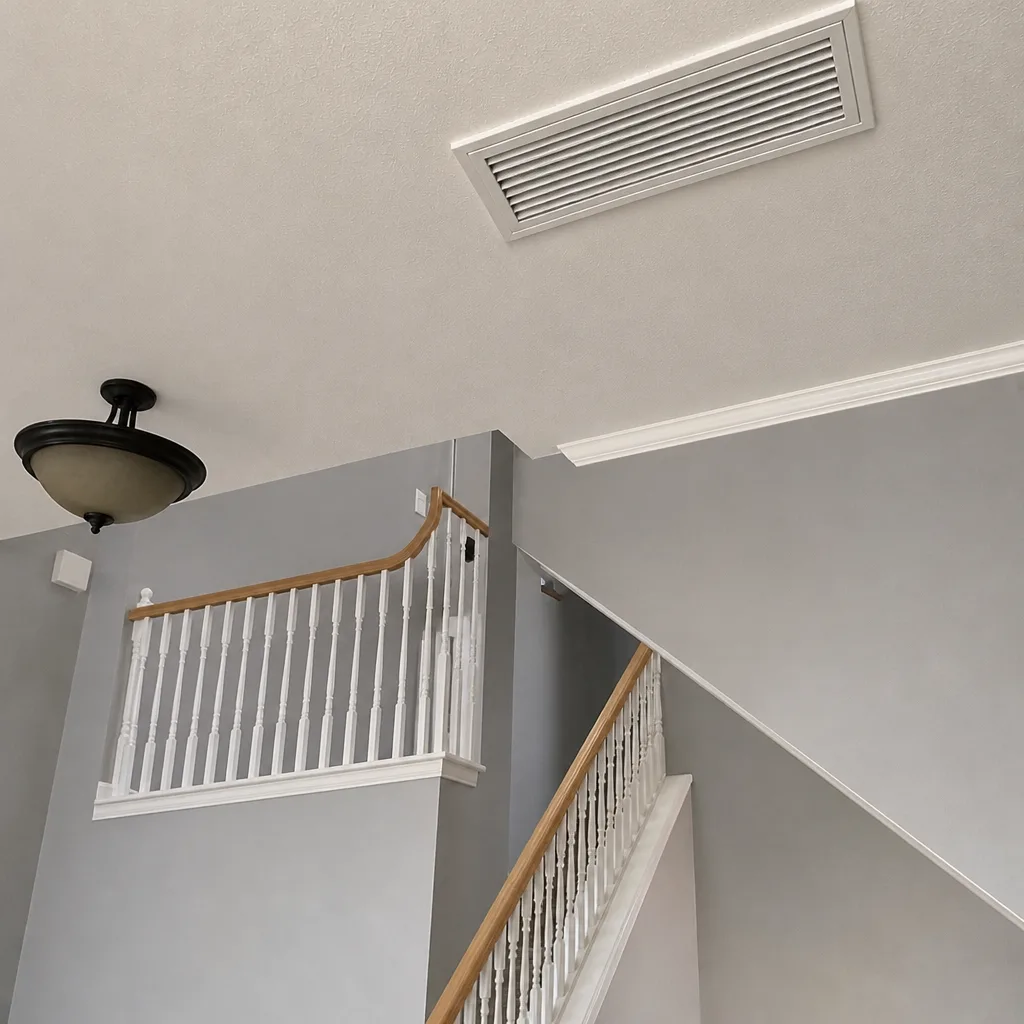
See the difference
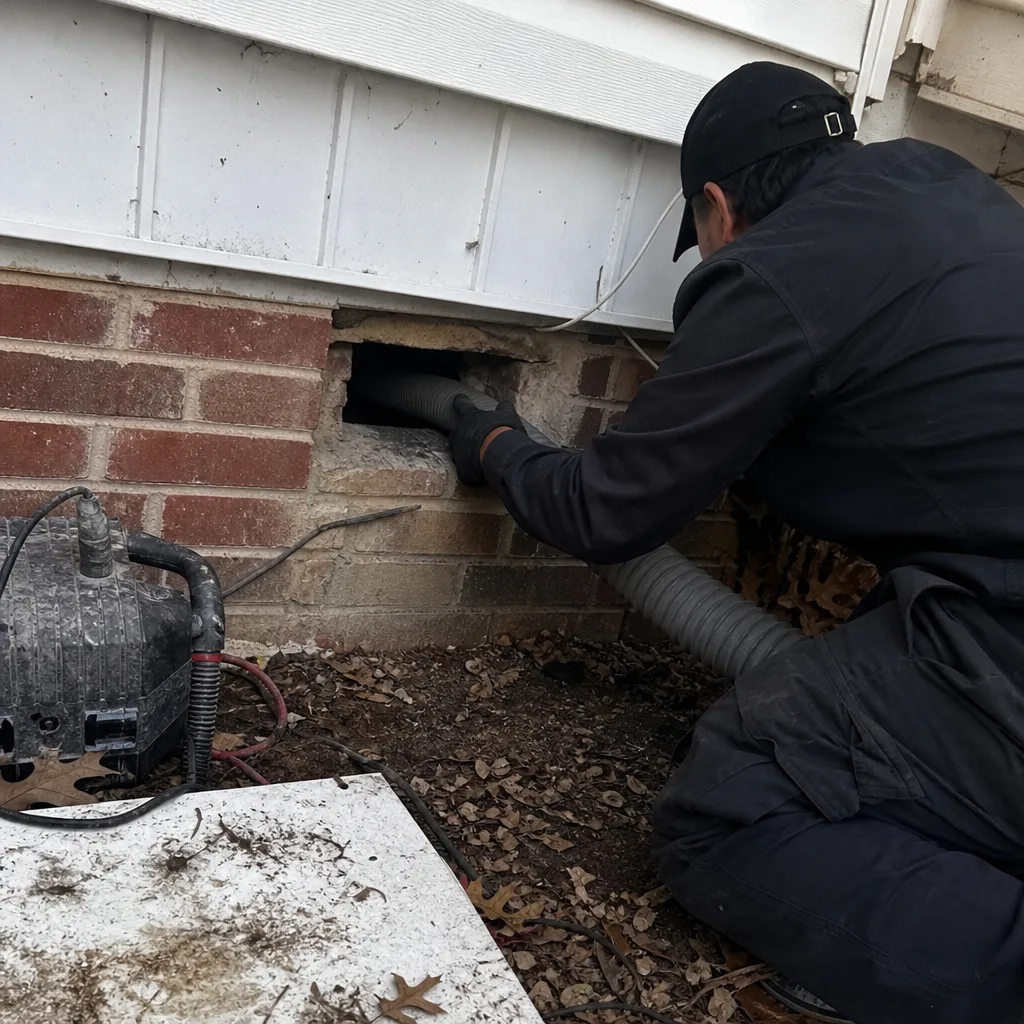 Before
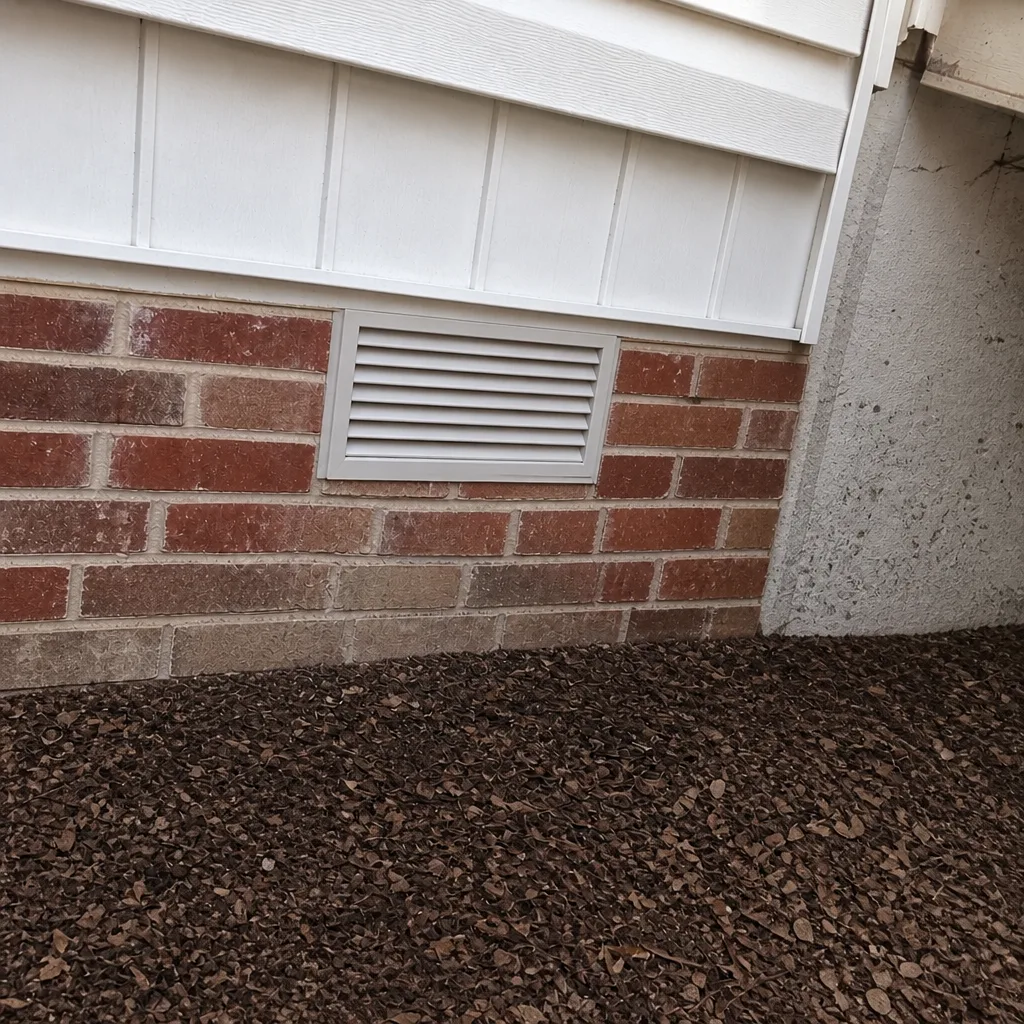 After
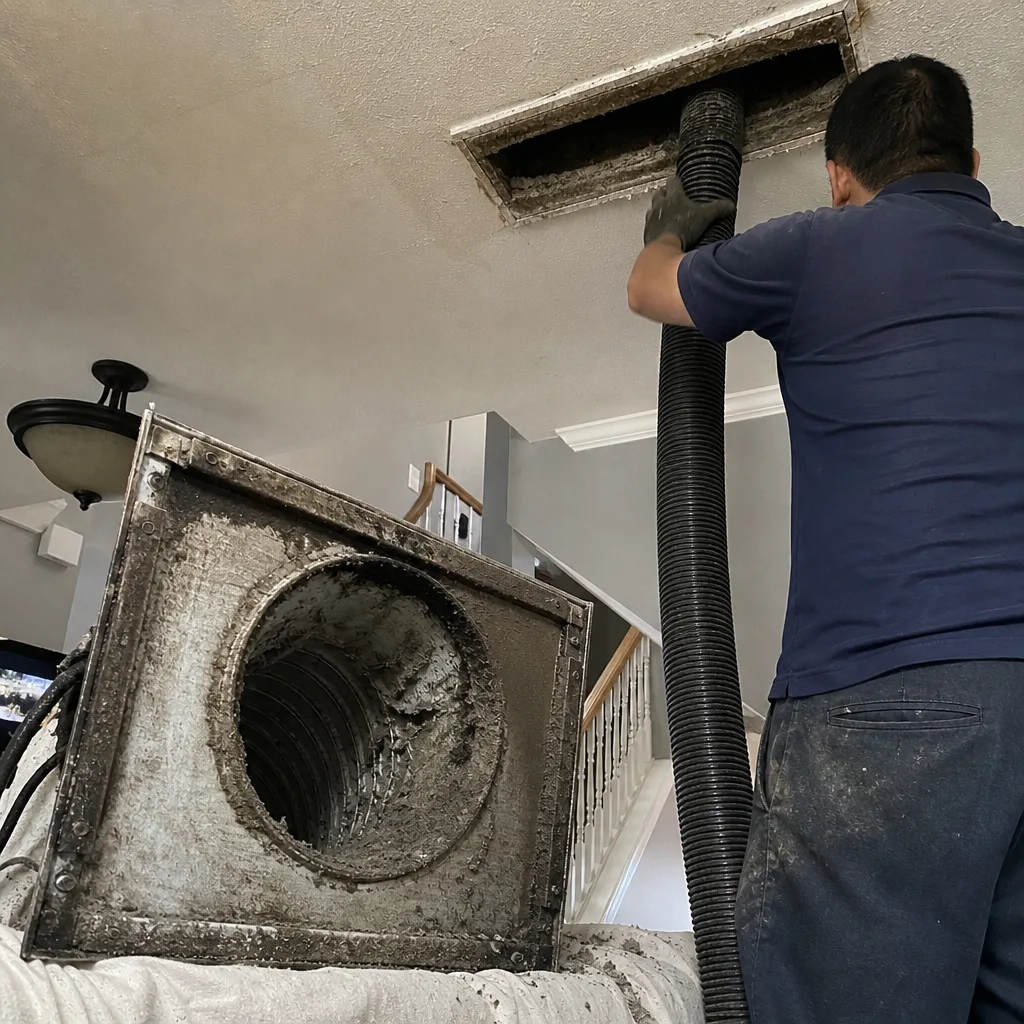 Before
 After
 Before
 After
When to Call a Professional
Call a professional for duct cleaning when you can see contamination at the registers, when you’ve recently renovated or purchased a home in Far North Dallas, when someone in the household has new respiratory symptoms, or when you can smell something musty coming from the supply vents. Call for duct repair when your energy bills shift without explanation or when one room stays noticeably hotter or colder than the rest of the house. Call for dryer vent cleaning if you can’t remember the last time it was done. And call for an assessment if you’re not sure which of these applies – a proper assessment tells you what needs doing, not just what a company can sell you. Air Duct Cleaning Far North Dallas offers free estimates in Far North Dallas – call (877) 792-7498. Our technicians have up to 13 years of experience and use commercial-grade equipment brought to your home.
Frequently Asked Questions
A whole-house air duct cleaning in Far North Dallas typically falls in a range based on the size of the system, the number of supply and return runs, and whether repair, sealing, or sanitizing is added. The written estimate sets the final price, one flat price per system agreed before work starts. If a quote is dramatically lower than the market, ask what equipment will actually arrive. Call (877) 792-7498 for an exact quote – estimates are free.
Cheap quotes are usually built on a portable shop vac, a single technician, and no negative-pressure containment, which means the contamination gets redistributed rather than removed. The low number exists to get someone in the door, and the real price appears on-site. Call (877) 792-7498 for a flat-price quote before anyone is dispatched.
Ask for the company’s TDLR license number in writing, then look it up on the Texas Department of Licensing and Regulation website – the search is free and public. Confirm the license is active and that the name matches the company on your quote. A legitimate operator will send the number without hesitation.
A legitimate cleaning leaves you with a written report listing the vents cleaned, the equipment used by name, and before-and-after photos of your own ducts, not stock images. If the contractor can’t produce that, the scope can’t be confirmed. Call (877) 792-7498 and ask specifically what the report will contain.
Most Far North Dallas homes don’t need duct cleaning on a fixed annual schedule. The triggers are renovation, a recent home purchase, visible contamination, pest activity, or a household member with respiratory symptoms. A properly sealed and filtered system lasts longer between cleanings. Call (877) 792-7498 for guidance specific to your home.
Yes. We clean, sanitize, repair, seal, and handle dryer vent cleaning as one service, so you don’t need to call a second company. Ductwork integrity and the dryer vent are both part of the air pathway and belong in the same visit. Air quality you can measure, not just feel.
The Bottom Line
Hiring an air duct cleaning contractor in Far North Dallas is a screening exercise. Filter on four things and you eliminate most of the risk: professional equipment by name (contact vacuuming with real CFM, HEPA-rated exhaust, containment-grade negative pressure), a verifiable TDLR license, a whole-system quote rather than per-vent pricing, and a documented work report you can review. NADCA membership is a useful first filter but not a complete one. Repair and sealing belong in the original quote so cleaned ducts don’t re-contaminate. And the dryer vent is part of the air pathway, so ask whether it’s covered. Do those four things and the job is done right the first time. Skip them, and you’ve paid for the appearance of cleaning, not the results.
Call (877) 792-7498 for a free estimate in Far North Dallas. We answer 24/7. Fast dispatch from 7am to 7pm, Sunday through Friday.
Written by the team at Air Duct Cleaning Far North Dallas.