
Last updated November 23, 2026
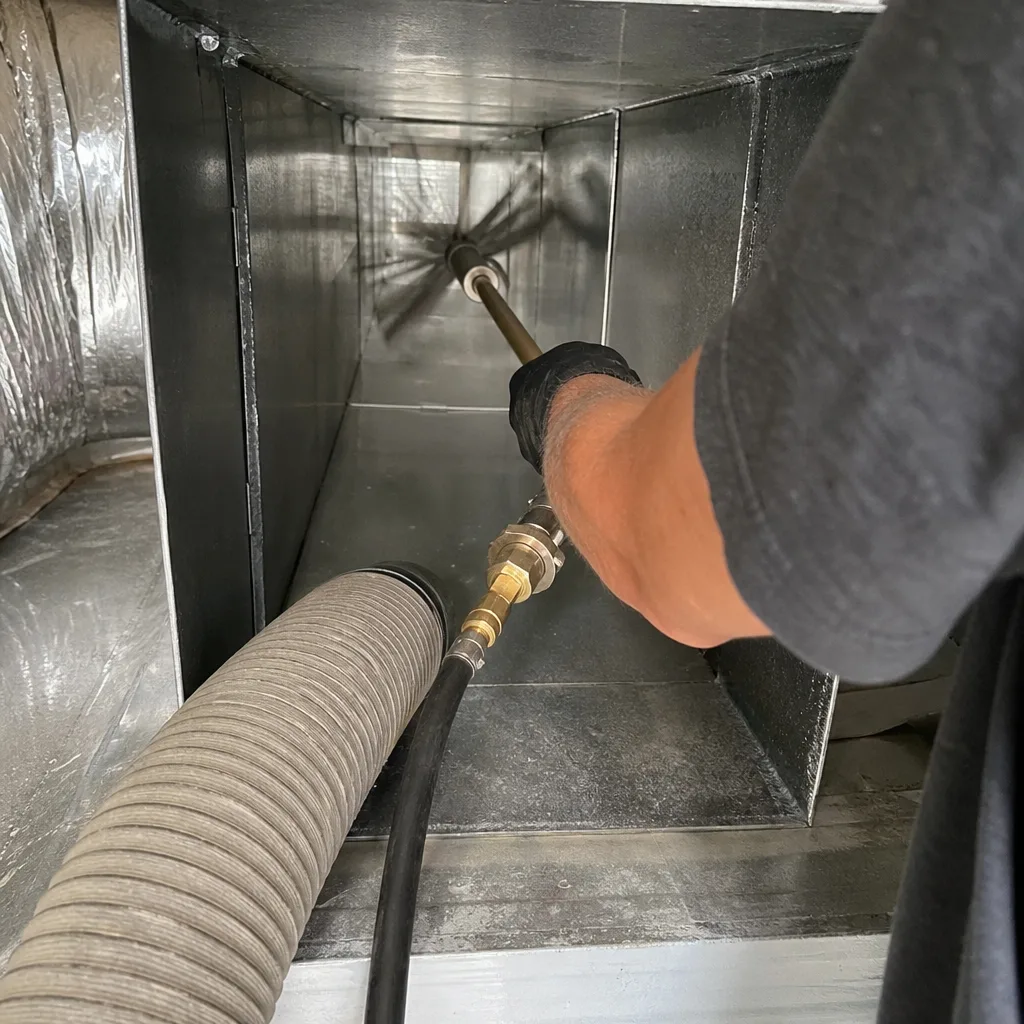
 Whole-home duct cleaning
 Dryer vent cleaning
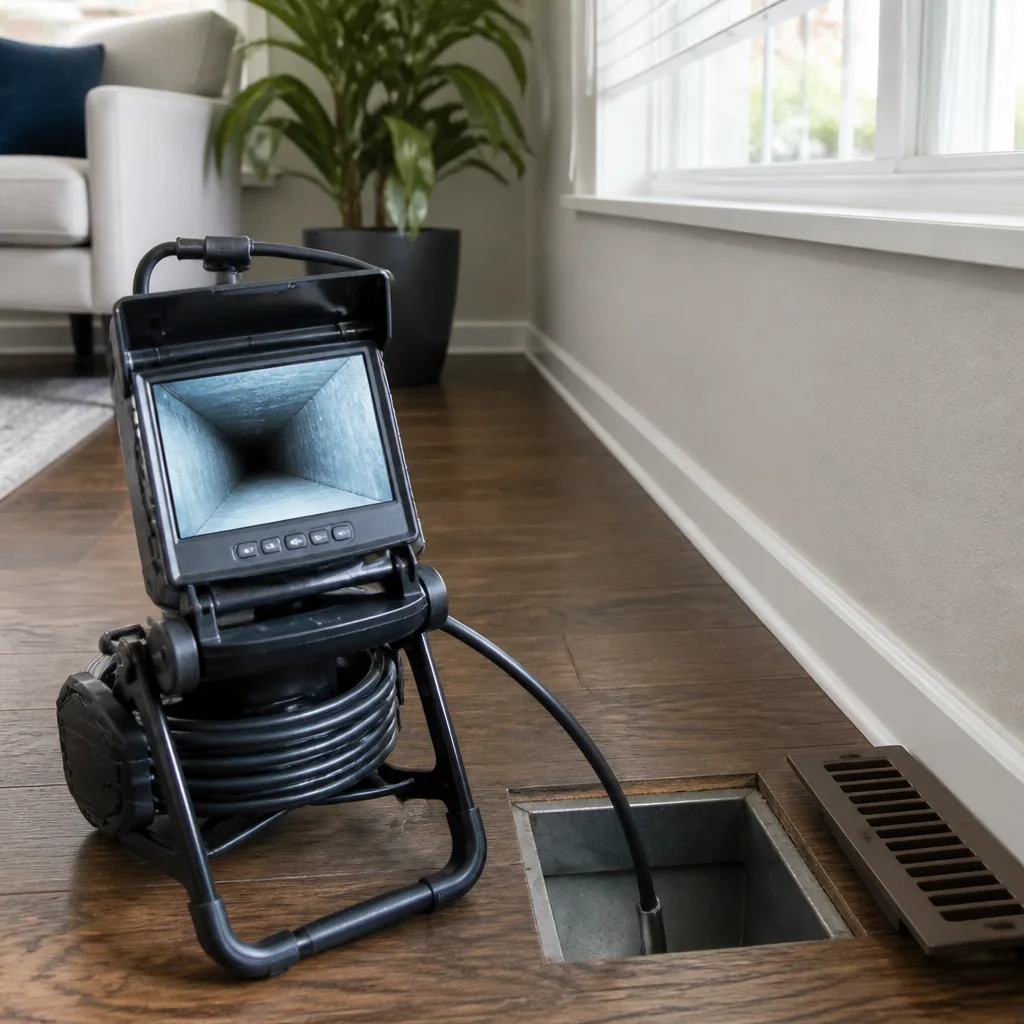 Camera inspection
 Sanitizing & deodorizing
Whole-system duct and dryer vent check with before-and-after photos - you see exactly what came out of your vents
That "$99 whole-house special" is a bait ad - the real number appears once they are in your hallway, or the "clean" is a shop-vac at the register. We photograph the inside of your ducts before and after instead.
Air Duct Cleaning Maintenance Checklist for Far North Dallas Homeowners
Changing your MERV-13 filter on schedule is good. But if your duct joints are leaking conditioned air into the attic, the system pulls that attic air, and whatever’s living in it, right back through your returns no matter how clean the filter is. That’s the part most checklists miss. Filtration is one link in a chain that also includes humidity control, dryer vent health, joint sealing, and professional cleaning intervals. This guide ties all of it into one coordinated schedule built for Far North Dallas conditions, where long cooling seasons and mild winters put real pressure on the whole air pathway. You’ll get monthly, quarterly, and annual tasks, a simple visual inspection routine, humidity benchmarks, and the records worth keeping.
Styles & brands we work with
- Whole-home duct cleaning
- Dryer vent cleaning
- Camera inspection
- Sanitizing & deodorizing
Quick Answer
A homeowner maintenance checklist for air ducts in Far North Dallas runs on three rhythms: monthly tasks (filter check, register inspection, dryer lint screen), quarterly tasks (full filter change, joint and condensation checks, dryer vent inspection), and professional work once every few years (deep duct cleaning, sanitizing, and duct repair and sealing). The goal isn’t cleaning for its own sake. It’s keeping the entire pathway from return grille to air handler sealed, filtered, and dry.
Table of Contents
- Why Far North Dallas Homes Need a Written Maintenance Plan
- The Monthly Checklist
- The Quarterly Checklist
- The Annual Checklist and Professional Intervals
- How to Inspect Your Registers and Return Grilles
- Humidity, Condensation, and Duct Contamination
- Why Dryer Vents Belong on the Same Checklist
- What Records to Keep (and Why It Matters When You Sell)
Why Far North Dallas Homes Need a Written Maintenance Plan
Far North Dallas homes run their air handlers hard for much of the year. Not because summers are extreme by Texas standards, but because the cooling season is long and the shoulder months are warm enough that the system rarely gets a real rest. A system that runs more hours accumulates more dust, holds more moisture at the coil, and pushes more air through every joint in the ductwork. Worn joints leak. Leaking joints pull attic air. That’s the cycle a written plan interrupts.
The housing stock here shapes the work too. Neighborhoods like Bent Tree, Prestonwood, and Preston Hollow North include plenty of homes built in the 1970s and 1980s, many with original or partially replaced duct systems and flex runs in the attic. Others, in newer pockets of Far North Dallas, were built tight with modern filtration and still need the same discipline around filter changes and vent inspection. Age changes where problems show up; it doesn’t change the rhythm of maintenance.
Write the plan down. A schedule you keep in your head becomes a schedule you skip. The sections below break the year into monthly, quarterly, and annual tasks, plus the professional intervals that sit behind them. Because of our warm, humid months, the biggest risks in Far North Dallas aren’t frozen pipes or snow load. They’re dust loading, humidity-driven biological growth at the coil and in wet duct sections, and dryer vent lint that builds up quietly.
The Monthly Checklist
Monthly tasks take about fifteen minutes and catch small problems before they become system-wide ones. Most can be done with a flashlight and a screwdriver.
- Check the filter, don’t just change it. Hold it up to light. If you can’t see light through the pleats, it’s loaded. In the heavy cooling months, a 1-inch filter often wants changing monthly even if the packaging says three months.
- Look at every supply register. A dark ring or soft dust fringe around the louver is normal. Standing dust, fuzzy growth, or dark speckling is not. Note the location and keep a list.
- Open the return grille and look at the filter slot. Gaps around the filter frame let unfiltered air bypass the media. That’s one of the most common findings in Far North Dallas homes with retrofit filter boxes.
- Clear the dryer lint screen. Every load, not once a month. The monthly task is checking behind the screen and around the lint trap housing for buildup that’s getting past the screen.
- Confirm condensate drainage. Find the drain line at the air handler and check that the pan is empty and dry. Standing water means a clog forming.
Keep these five on a single sheet and check them off. The point isn’t perfection. It’s noticing change early, because a filter that starts loading faster than usual or a register that starts collecting dust tells you something upstream has shifted.
The Quarterly Checklist
Quarterly is when you look at the system as a whole rather than at individual components. This is also where detection beats reaction.
- Change the filter outright. Even a filter that still passes light gets changed on a schedule. Mark the calendar date on the filter frame with a pencil so you know when it went in.
- Check accessible duct joints. Where ductwork runs through the attic or garage, look for separated flex connections, sagging runs, and tape that’s dried and peeled. A joint that’s open to the attic is a direct path for hot, dusty air into the supply side.
- Inspect for condensation. Look at the outside of duct runs and at the air handler cabinet. Sweating metal, damp insulation jackets, or water staining on the platform means the system is running cold and wet somewhere it shouldn’t.
- Walk the dryer vent run. If the vent is accessible from outside, confirm the exterior damper opens freely when the dryer runs and that lint isn’t packed behind it. Lint accumulation speeds up in humid weather.
- Check the outdoor condenser and the air handler closet. Clear debris from around the condenser. Confirm the air handler closet door seals and that return air isn’t being drawn from the attic or garage.
In our experience, quarterly is the right cadence for Far North Dallas because the cooling season is long enough that waiting six months lets small joint failures turn into whole-run contamination. If quarterly checks keep surfacing the same weak points, it’s time to talk about duct repair and sealing rather than re-taping the same joint every season.
The Annual Checklist and Professional Intervals
Once a year, sit down with the whole picture: system performance, documentation, and the professional work due. This is the section to review before setting your budget for the year.
- Review the year’s filter log. How many changes did you actually make? If it’s below the number you planned, either the filter grade or your check frequency needs adjusting.
- Assess whether filtration grade is right for the household. Homes with allergy sufferers or young children often want a higher-efficiency media filter or a dedicated filter cabinet. A system that carries and installs Honeywell and Aprilaire filtration products can raise the filtration grade without choking airflow, which is the risk with an oversized filter in a narrow slot.
- Book professional cleaning on an interval, not on impulse. For most Far North Dallas homes, that’s roughly every three to five years, sooner if you’ve renovated, moved into a previously neglected home, or have pets.
- Schedule dryer vent cleaning. Annual for most households, more often with heavy laundry use. This is a safety item as much as an air-quality one.
- Request a sealing and repair review with the cleaning. Cleaning ducts and leaving leaking joints in place means the clean surface gets exposed to attic dust again. The two belong in the same visit.
When we clean, we use a Rotobrush contact-vacuum system to agitate and capture debris at the source, and Nikro HEPA-rated machines to keep fine particulate contained rather than airborne in your hallway. Abatement Technologies air-containment equipment lets us control the work zone the way remediation crews do. That matters in Far North Dallas homes with attached closets and tight attic access, where dust has nowhere convenient to settle.
How to Inspect Your Registers and Return Grilles
A basic visual inspection at your registers and return grilles takes a few minutes and tells you a lot before you call anyone. Here’s the routine we’d suggest to any Far North Dallas homeowner.
- Remove the vent cover with a screwdriver and set the screws aside where they won’t get lost.
- Shine a light into the boot and the first few feet of duct. You’re looking for the interior surface, not the grille.
- Note color and texture. Light, even gray dust is normal. Dark patches, fuzzy growth, or matted buildup on the duct wall suggests moisture has been present.
- Run your finger along the interior of the boot. If dust comes away thick and greasy rather than thin and dry, that’s worth flagging.
- Check airflow with a tissue or your hand. Weak flow at one register while others are strong points to a disconnected or crushed run.
- Photograph what you see. Date the photos. A visual record is more useful than memory when you’re describing a finding later.
What you’re not doing is trying to clean inside the ducts yourself. Consumer brushes and shop vacuums stir up more than they remove, and they don’t have the containment to keep fine dust out of your living space. Note the condition, take the photo, and let a professional assess.
Humidity, Condensation, and Duct Contamination
Humidity control is where duct maintenance and indoor air quality meet. Ducts don’t get contaminated in dry air. They get contaminated in damp air, where dust that settles on a cool surface becomes food for biological growth. And in a North Texas cooling season, every supply run is a cool surface in a warm attic.
- Indoor target. Keep indoor relative humidity somewhere in the 40 to 55 percent range. Above that, condensation risk on duct surfaces climbs.
- Look for sweating. Condensation on the outside of supply ducts or the air handler cabinet means the system is running colder than the surrounding air can tolerate, or the insulation jacket is damaged.
- Watch the drain pan and line. A slow drain keeps the air handler closet humid. That closet is usually right next to your return.
- Check after heavy rain. In Far North Dallas, a wet spring followed by a hot stretch is when we hear about musty return air. Inspect after storms, and don’t confuse a seasonal smell with a permanent one.
- Address the wet spot, not just the smell. Sanitizing a damp duct section without fixing the moisture source just resets the clock. We apply Guardsman-grade sanitizing treatments after cleaning, and they hold best when the source of moisture has been corrected.
If you’re seeing condensation inside ducts, that’s a professional call. A duct cleaning that doesn’t address the moisture is a temporary fix. Ask for the humidity reading and the source of the water, and write both down.
Why Dryer Vents Belong on the Same Checklist
Dryer vents don’t look like they belong on a duct maintenance checklist, but they do. They’re a duct. They carry hot, moist, lint-laden air, and when lint accumulates, the same two problems show up: restricted airflow and a fire risk that climbs quietly with every load. Dedicated dryer vent cleaning sits on the same annual rhythm as the rest of the system.
Here’s what we’d tell any Far North Dallas homeowner: lint buildup doesn’t announce itself. The dryer just takes a little longer, then a little longer. By the time the exterior damper is visibly clogged, the run has been restricted for a while. A dryer that no longer dries a normal load in a normal time, a vent hood that doesn’t flap strongly when the dryer runs, or heat around the dryer cabinet are all signals.
For households with heavy laundry use, the interval comes down quickly. Add children, pets, or a large family, and annual becomes the minimum. On every job where we’re already cleaning ducts, we look at the dryer vent run because it’s part of the same air pathway, and a healthy dryer vent protects the household from the leading cause of dryer fires while keeping moisture out of the laundry area.
What Records to Keep (and Why It Matters When You Sell)
Documentation does two things. It helps you spot patterns in your own system, and it gives a buyer evidence that the home has been maintained rather than neglected. In a Far North Dallas market where buyers hire inspectors who understand HVAC systems, a maintenance file is worth having.
- Filter log. Date, filter size, and MERV rating at each change. A simple sheet on the air handler closet door works.
- Photos of registers and returns, dated. Before and after any professional cleaning, taken by you or by the company.
- Professional invoices. What was done, when, what equipment was used, and whether duct repair or sealing was part of the visit.
- Dryer vent cleaning receipts. Date and what was found.
- Any filtration upgrades. If a Honeywell or Aprilaire filter cabinet was installed, keep the model and install date.
- Notes on any issue flagged but not fixed. “Joint at garage run found loose on 4/12, repair pending” is exactly the kind of line that turns into a needed repair instead of a forgotten one.
Ask for before-and-after photos on any professional job; the photo set is the clearest evidence of what was actually done. When a buyer sees dated invoices and photos, the conversation about duct condition becomes a matter of record rather than opinion. For a full picture of what servicing the whole system involves, see our guide to HVAC cleaning, which covers the air handler and coil side that duct cleaning alone doesn’t reach.
Common Mistakes to Avoid
- Changing the filter and skipping the return grille. A clean filter behind a leaking return frame lets attic air past the media. Fix the frame and seal it before you buy a higher-efficiency filter.
- Treating a higher MERV as always better. A filter that’s more restrictive than the blower can handle cuts airflow and can cause the coil to run cold and wet. Match filtration grade to the system, not to the label.
- Cleaning ducts without fixing the leaks. Clean a leaky system and the attic reintroduces dust within a season. In Far North Dallas homes with attic flex runs, repair and sealing is usually the missing step.
- Ignoring the dryer vent because the dryer “still works.” Reduced drying time is the first symptom of a vent that’s already restricted. It’s the one task that belongs on the checklist for safety reasons as much as air quality.
- Spraying a sanitizer over an unresolved moisture problem. Sanitizing treats the surface. If condensation is still forming, the growth returns. Fix the source first.
- Skipping the records. Without dated invoices and photos, you have no way to show what’s been done. In Far North Dallas, that gap gets noticed when the home is inspected or sold.
- Hiring on price alone. A quote that doesn’t include the number of vents, the equipment being used, or whether repair and sealing are part of the job is the one most likely to change when the tech is on site. Ask what’s included, and get it in writing.
When to Call a Professional
Call us when the visual inspection turns up dark patches or fuzzy growth inside a duct, when condensation is forming on supply runs, when one register has weak airflow while others are strong, or when it’s simply been several years since the system was cleaned. Those are the cases where surface-level tasks stop helping. A professional visit covers the full pathway: cleaning with contact-vacuum and HEPA equipment, sanitizing after cleaning, and duct repair and sealing so the result holds. Air Duct Cleaning Far North Dallas offers free estimates in Far North Dallas. Call (877) 792-7498. We answer 24/7. Fast dispatch from 7am to 7pm, Sunday through Friday. Our technicians have up to 13 years of experience, and the work is documented with before-and-after photos.
Frequently Asked Questions
Most Far North Dallas homes should schedule professional cleaning every three to five years, sooner if there’s been a renovation, if you’ve recently moved into a home with an unknown maintenance history, or if the household has pets. The monthly and quarterly checklist tasks fill the gaps between visits. If your own inspection turns up visible growth or persistent moisture, don’t wait for the interval. Call (877) 792-7498 for a free estimate.
Most homes in Far North Dallas do well with a MERV-8 to MERV-11 filter in the standard slot, moving higher only through a dedicated filter cabinet like the ones we install from Honeywell and Aprilaire. The limit is airflow, not the rating on the box. A filter that’s too restrictive for your blower can make the coil run wet, which is worse for air quality than a slightly lower MERV done consistently. Ask for an airflow check before upgrading. Call (877) 792-7498 for guidance on your system.
A musty smell when the system starts usually points to moisture somewhere in the pathway: a wet drain pan, condensation on the coil, or damp insulation in the air handler closet. Sanitizing treats the surface, but it holds only after the moisture source is corrected. Start by checking the drain pan and the air handler closet, then have a professional look at the coil side. Call (877) 792-7498 to book an inspection.
No. A consumer shop vacuum agitates dust into the air without the containment to capture it, and it can’t reach past the first few feet of a run. Professional work uses contact-vacuum systems like the Rotobrush and HEPA-rated machines that hold fine particulate. What you can do yourself is the visual inspection and the filter discipline in this checklist. Call (877) 792-7498 if your inspection turns up anything concerning.
A low price usually means the quote covers only a partial job: no containment equipment, no sanitizing, no repair or sealing, and a price that changes once the technician sees the system. We price per system, agreed before work starts, so the number on the estimate is the number on the invoice. Ask any company what equipment they use and whether repair and sealing are included. Call (877) 792-7498 for a free estimate and a straight answer.
Yes. The dryer vent is a duct, and lint buildup restricts airflow and raises fire risk the same way a clogged filter taxes your HVAC system. We treat dryer vent cleaning as a core service rather than an add-on, and it fits naturally into the annual portion of the checklist. If it’s been a year or more, or your dryer is taking longer each cycle, it’s due. Call (877) 792-7498 to schedule it alongside your duct work.
The Bottom Line
Air duct maintenance in Far North Dallas works best as a system, not a to-do list. Monthly filter checks and register inspections catch loading early. Quarterly joint, condensation, and dryer vent checks catch leaks and moisture before they turn into contamination. Annual professional intervals handle the deep cleaning, repair, and sealing that keep the whole pathway intact. When your own walkthrough turns up dark patches, sweating ducts, or weak airflow, that’s the cue to call. For a deeper look at the cleaning side of the schedule, see air duct cleaning, and for the complete scope of what we cover, start with Air Duct Cleaning Far North Dallas.
Ready to put the plan in motion? Call (877) 792-7498 for a free estimate. We answer 24/7. Fast dispatch from 7am to 7pm, Sunday through Friday. One plain estimate per system, agreed before work starts, and before-and-after photos of your own ducts when we’re done.
Written by the team at Air Duct Cleaning Far North Dallas.
See the difference
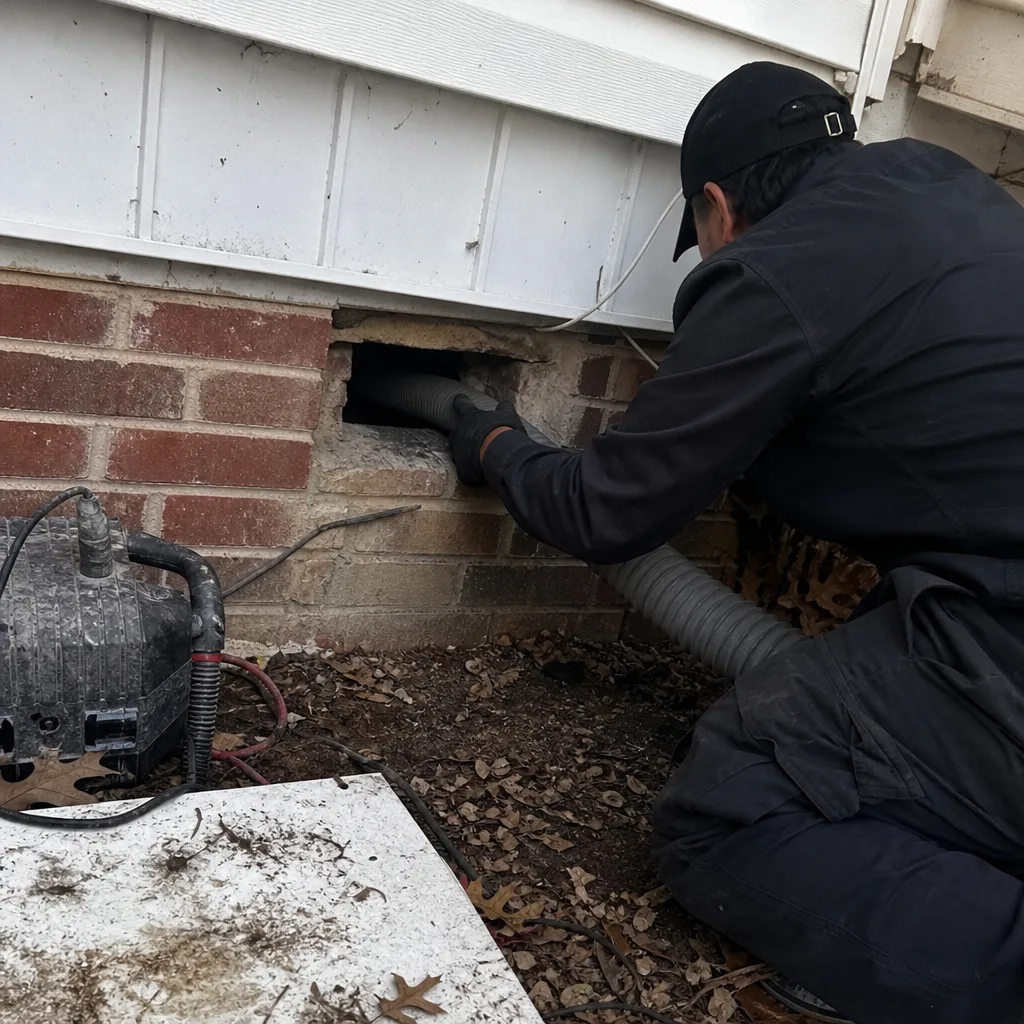 Before
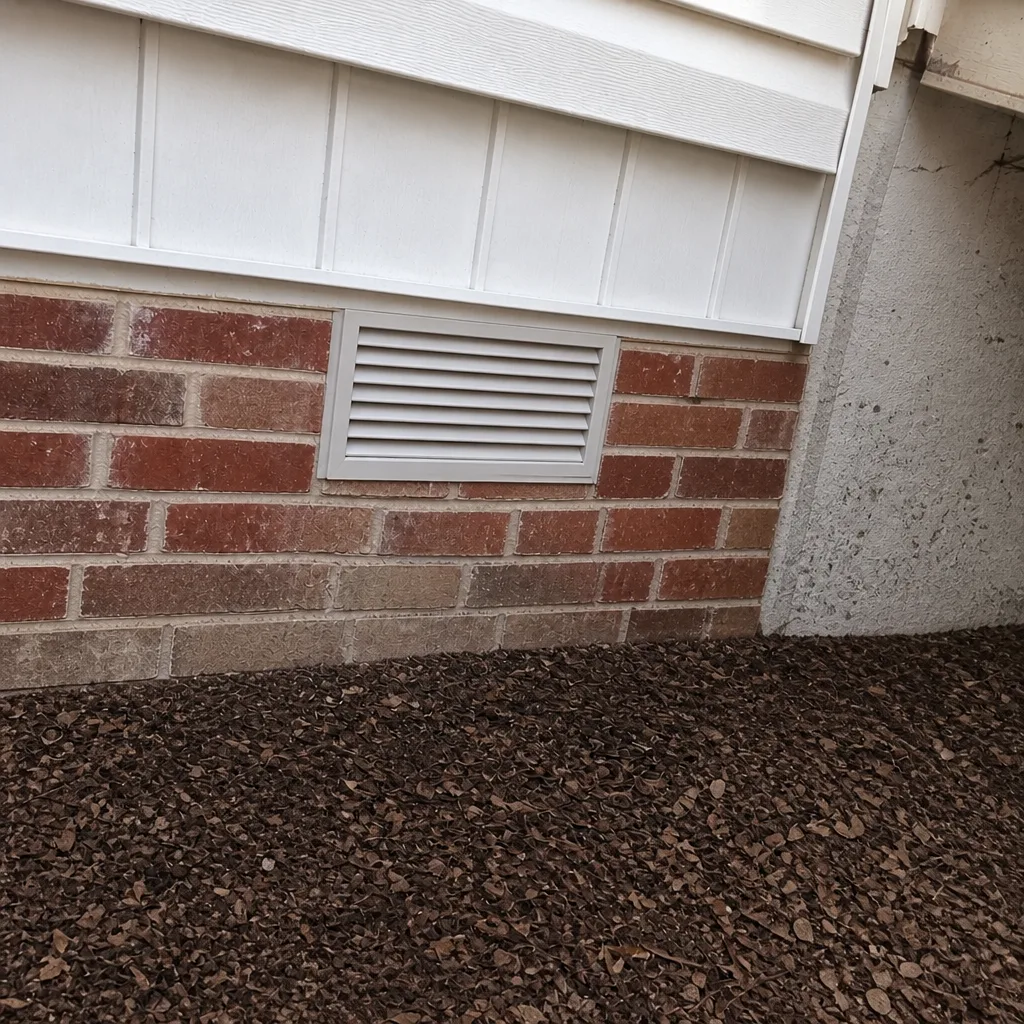 After
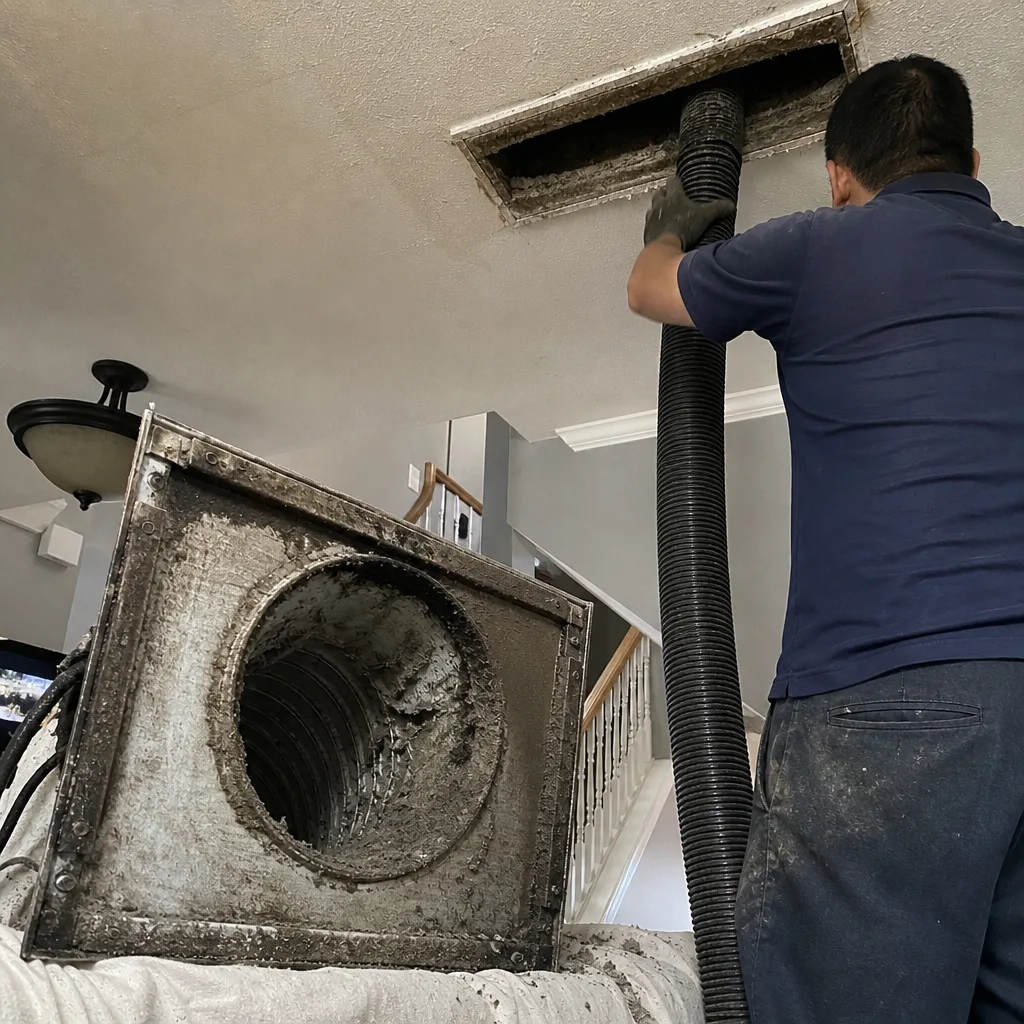 Before
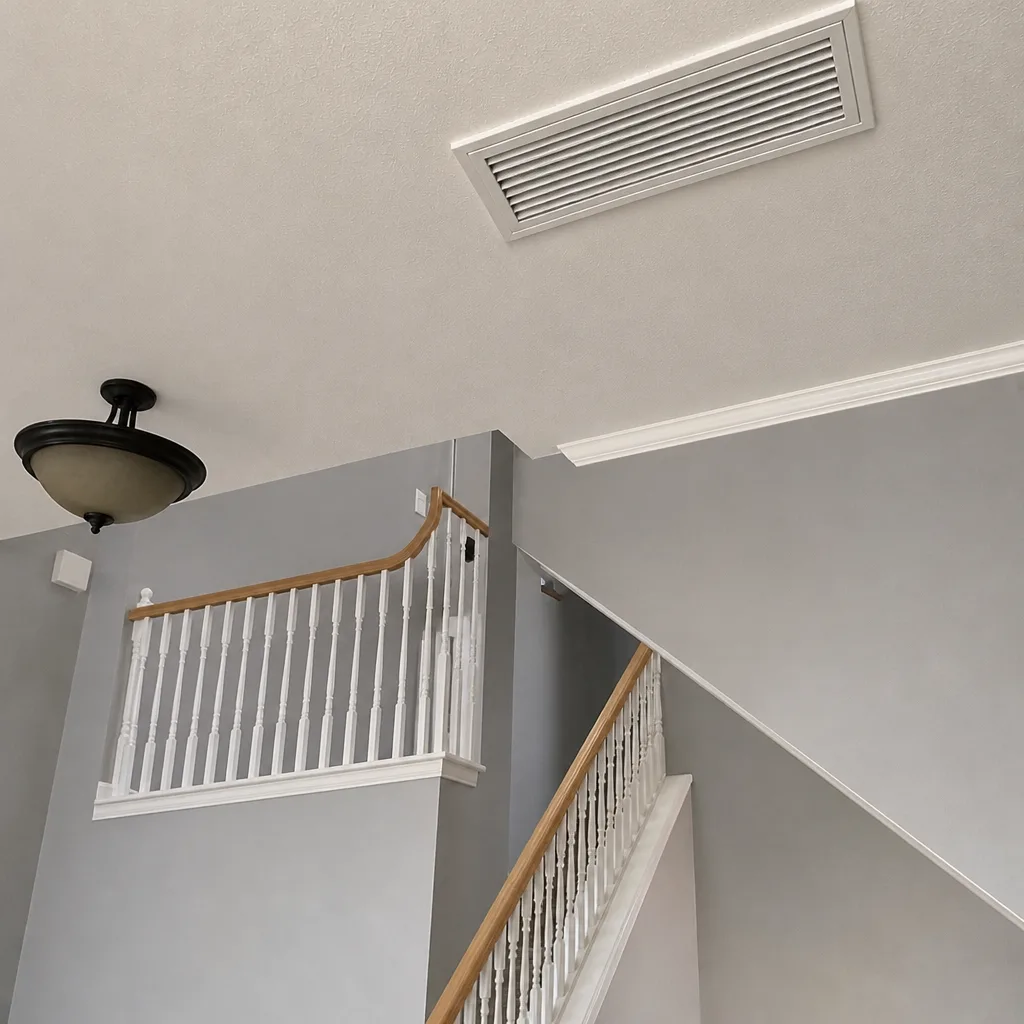 After
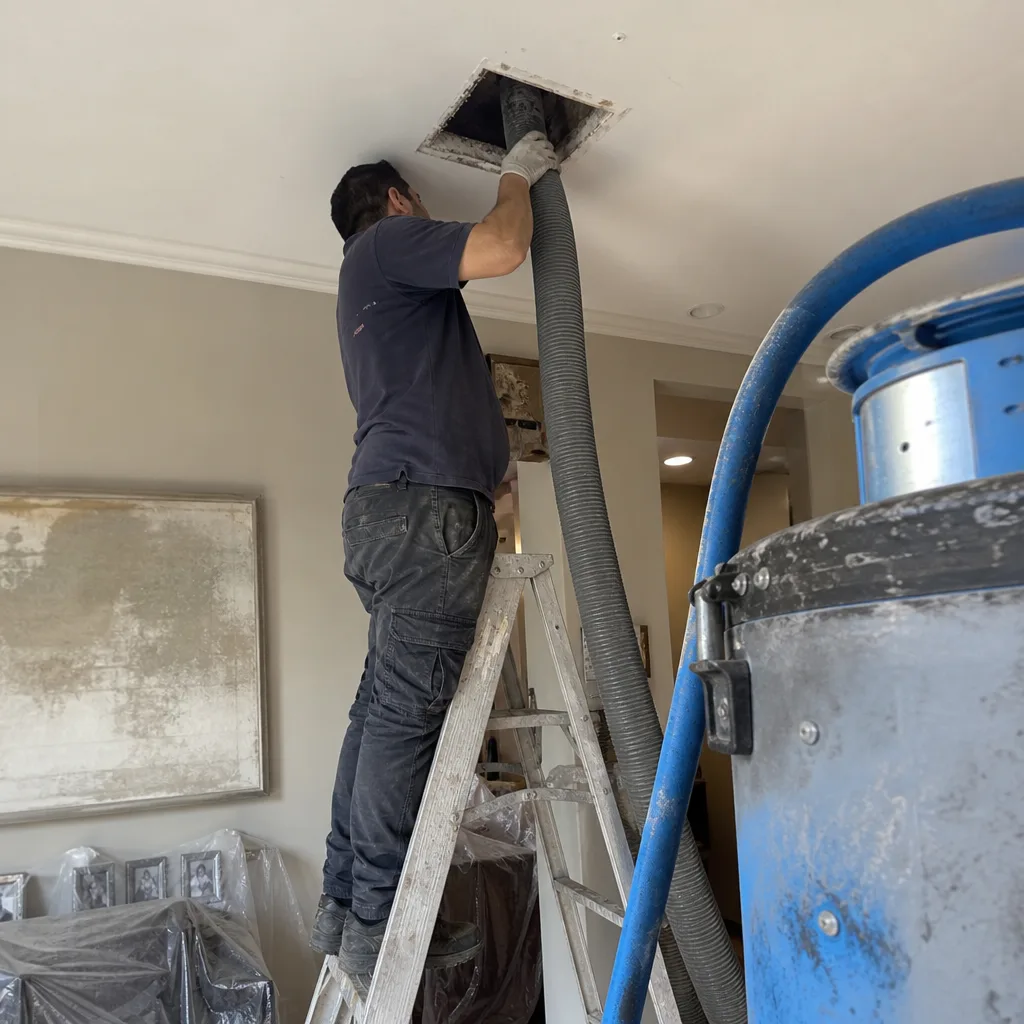 Before
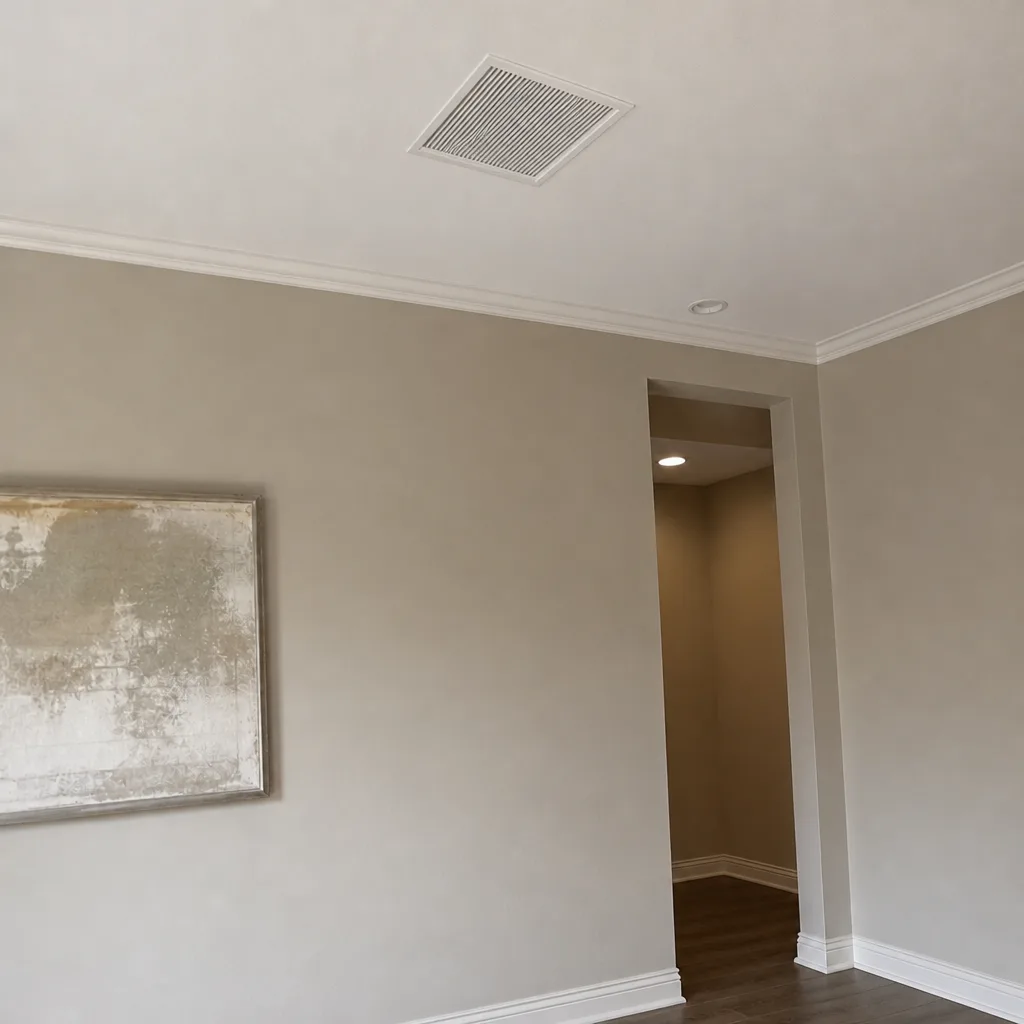 After