
Last updated November 23, 2026
 Whole-home duct cleaning
 Dryer vent cleaning
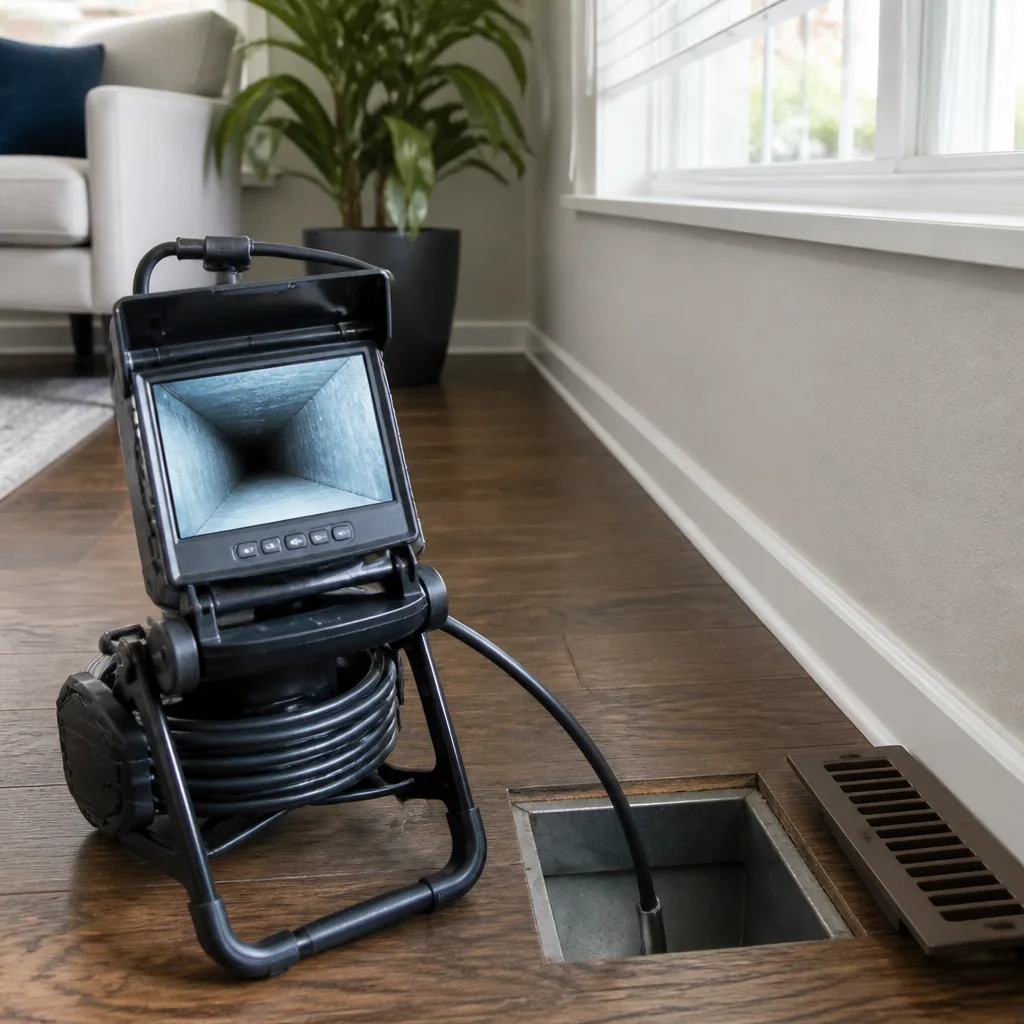 Camera inspection
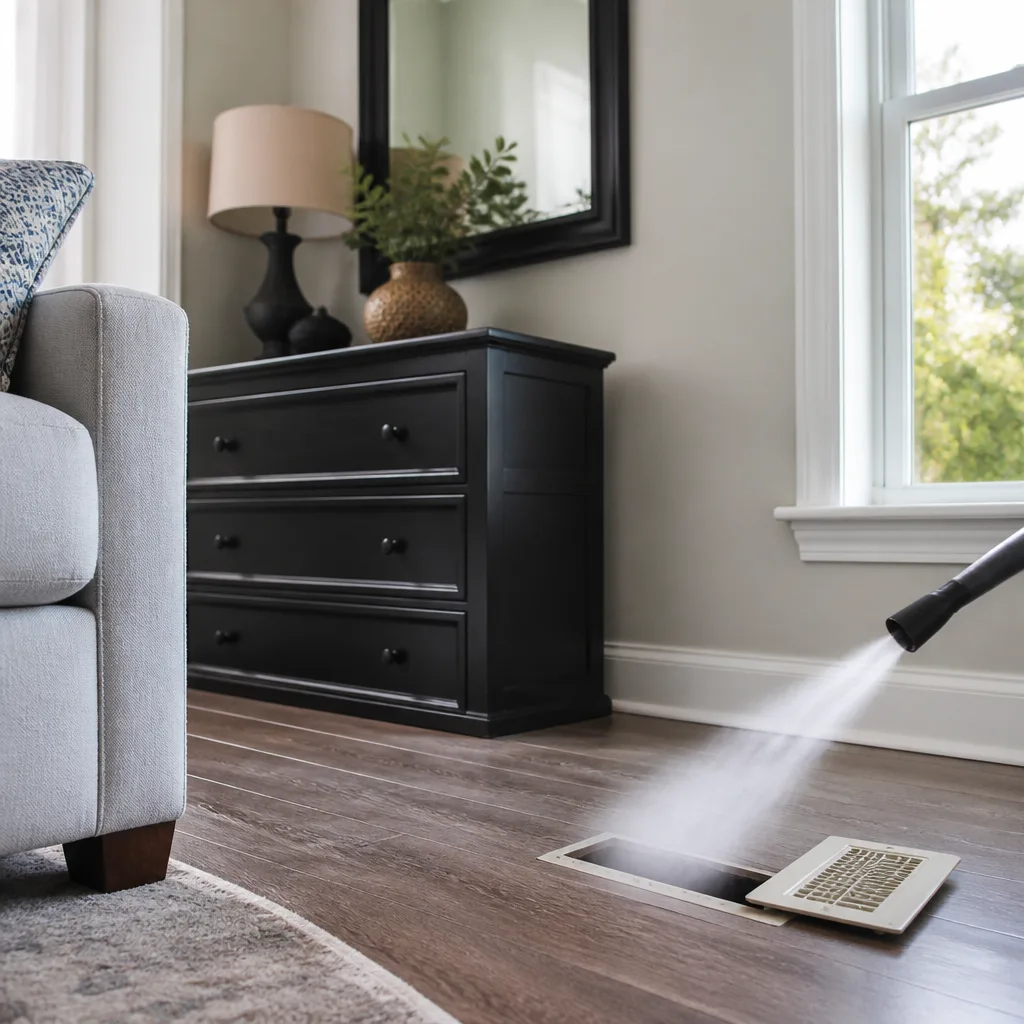 Sanitizing & deodorizing
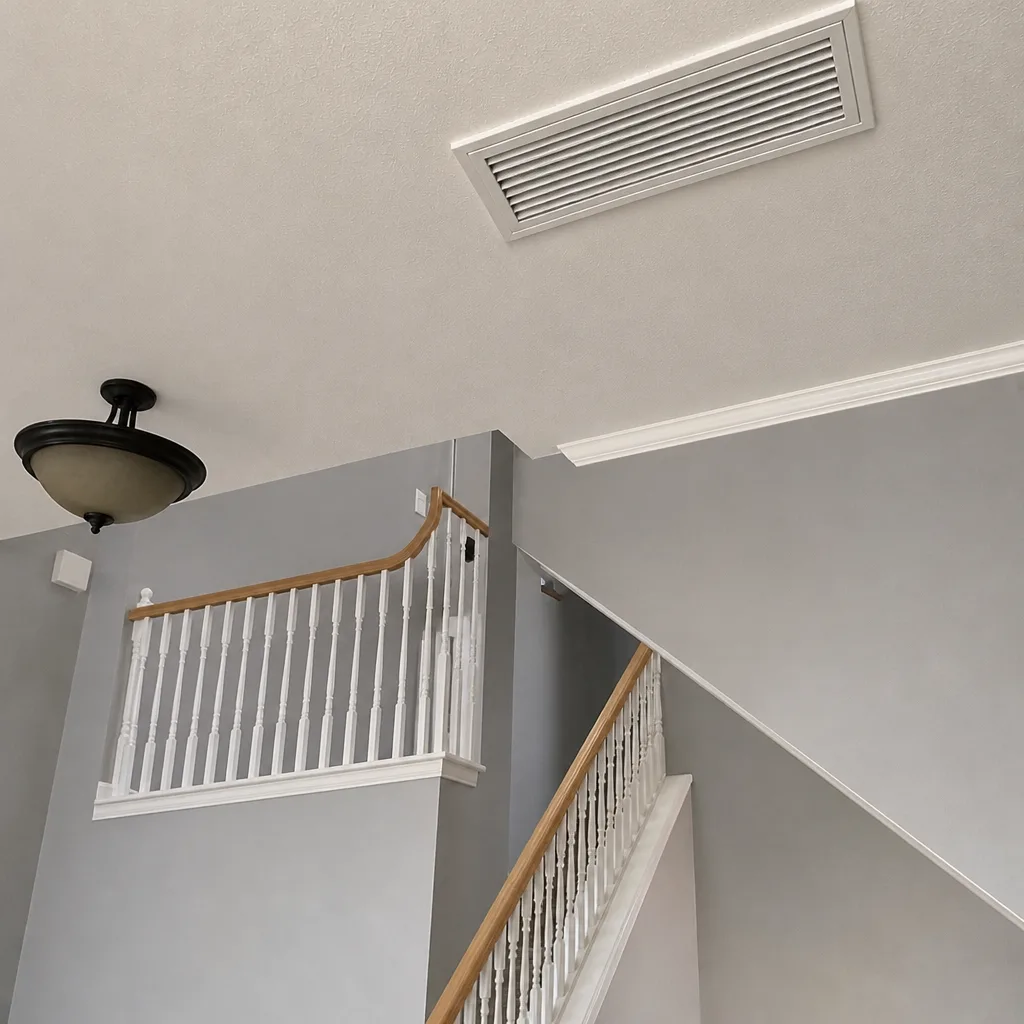
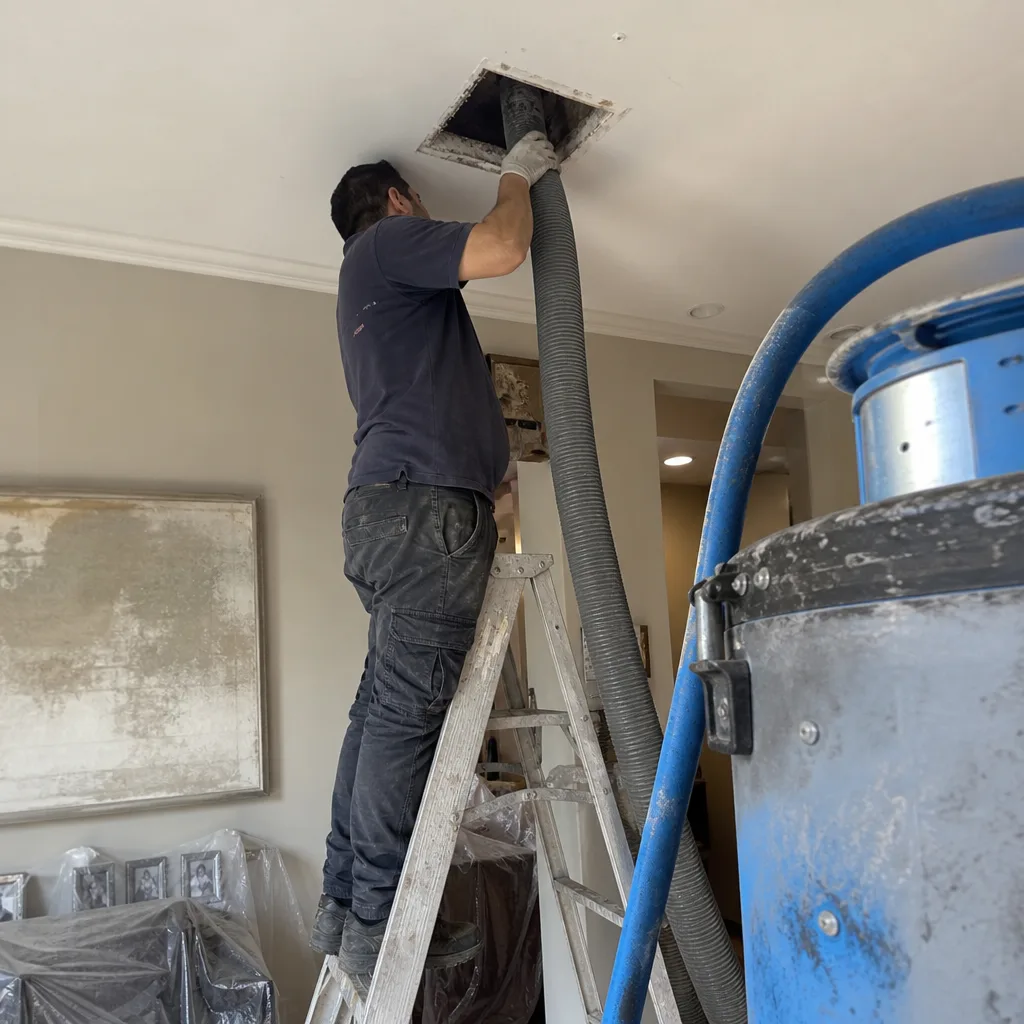
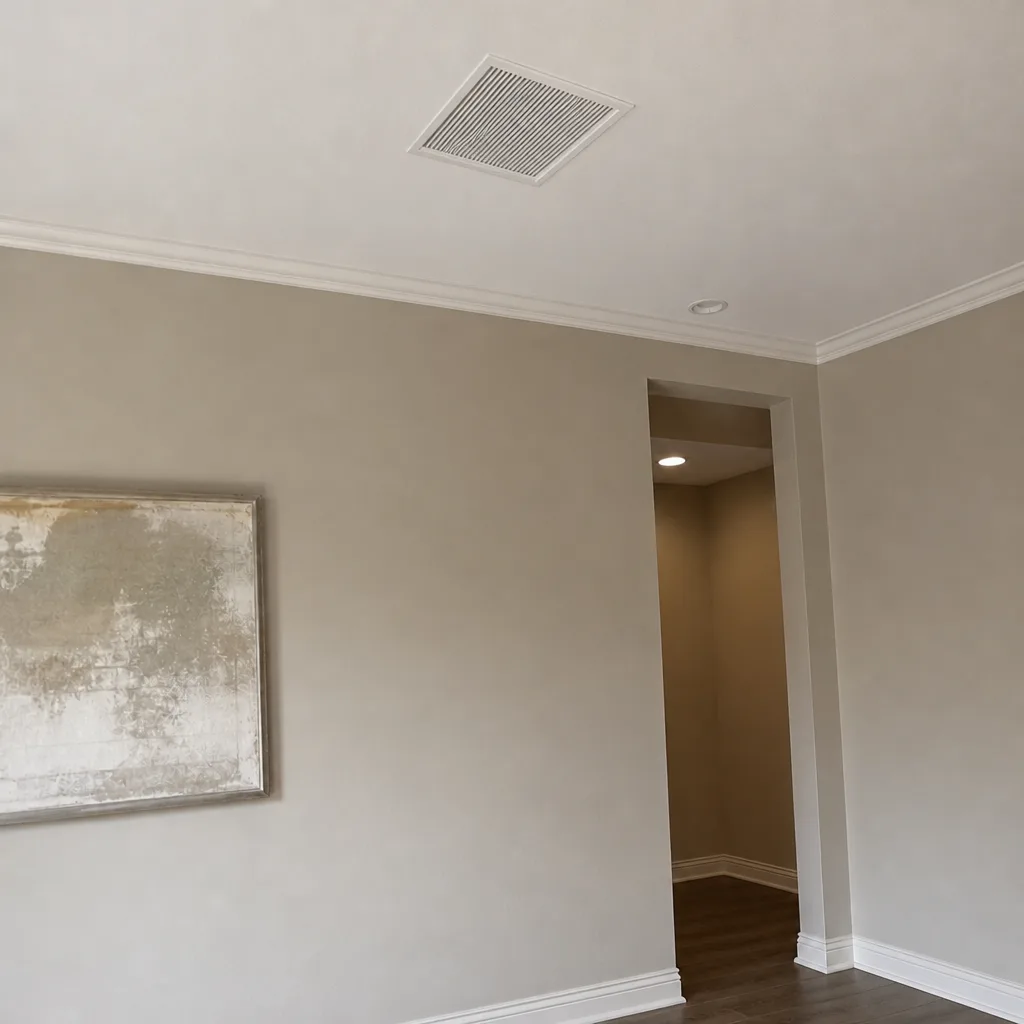
Whole-system duct and dryer vent check with before-and-after photos - you see exactly what came out of your vents
That "$99 whole-house special" is a bait ad - the real number appears once they are in your hallway, or the "clean" is a shop-vac at the register. We photograph the inside of your ducts before and after instead.
Air Duct Cleaning Warning Signs: A Far North Dallas Homeowner’s Reference Guide
If one room in your Far North Dallas home is always harder to cool than the others, your first instinct is probably to blame the thermostat or zone dampers. That’s rarely where the problem starts. Restricted or contaminated ductwork produces the same uneven airflow, and in homes over ten years old it’s the far more common cause. The dramatic warning signs (visible mold at a vent, a system that won’t move air at all) are the ones everyone talks about. The signals that matter most are quieter, easier to misread, and they show up before anything fails outright. This guide walks you through what those signs actually look like, what each one points to, and when cleaning alone won’t solve it.
Quick Answer
In Far North Dallas, the duct warning signs that warrant a professional look are: dust streaking around register grilles, discoloration rings at vent edges, musty or chemical odors when the system starts, rooms that never reach the thermostat’s set temperature, rising utility bills with no change in usage habits, and visible dust settling again within days of cleaning. Most of these trace back to contamination or leakage inside the duct system rather than the HVAC equipment itself, and an inspection can confirm which.
Styles & brands we work with
- Whole-home duct cleaning
- Dryer vent cleaning
- Camera inspection
- Sanitizing & deodorizing
Table of Contents
- What Visual Signs at Vents and Grilles Actually Mean
- HVAC Performance Signals That Trace to Ductwork
- What Musty, Burning, and Chemical Smells Each Tell You
- Construction Dust vs. Normal Accumulation After a Remodel
- When the Signs Point to a Problem Cleaning Won’t Fix
- A Room-by-Room Checklist for Far North Dallas Homes
- When to Call a Professional
- Frequently Asked Questions
What Visual Signs at Vents and Grilles Actually Mean
The most useful place to look in a Far North Dallas home is the register grille – the slatted cover on the wall or floor where conditioned air comes out – and the larger return grille that feeds air back into the system. What you find there tells you a lot about what’s happening behind it. A light, even film of dust on a grille is normal. It’s the patterns that matter.
Dust streaking is the first sign worth understanding. Those dark trails that fan outward from the grille edges or bleed onto the surrounding drywall mean air is escaping around the grille rather than moving cleanly through it. That’s a sign of a gap between the grille and the duct, and it pulls unconditioned, dust-laden attic or wall-cavity air into the room every time the system runs. In our experience, streaking is one of the most common findings in Far North Dallas homes where the grilles were removed at some point for painting or drywall work and put back without a tight seal.
Discoloration rings are different. A halo or ring of darker residue at the very edge of a register usually points to air leaking past a slightly oversized cutout, or to moisture collecting at a cold surface during humid months and trapping dust there. Rings that are dry and old suggest a past problem that’s since been resolved. Rings that are soft, damp, or spreading indicate active moisture in the system, which needs attention before cleaning.
- Even light film: normal accumulation, monitor over time.
- Streaking past grille edges: leak at the grille-to-duct interface.
- Discoloration rings, dry and stable: likely old staining, low priority.
- Discoloration rings, damp or growing: active moisture, address promptly.
- Visible dark buildup on the return grille face: heavy accumulation in the return path.
One caution: don’t confuse dust settled on top of the grille slats with dust inside the duct. The surface of a grille collects plain household dust like any shelf. The patterns described above are the ones that point to what’s behind the grille. When those patterns show up in several rooms at once, it’s worth having the system examined rather than wiping the grilles again and moving on.
HVAC Performance Signals That Trace to Ductwork
HVAC performance problems are the category homeowners most often attribute to the equipment when the real cause is ductwork. In Far North Dallas, where summers push systems hard for months, restricted ducts show up as rising bills, longer run times, and uneven rooms long before anything actually breaks. The pattern matters: a mechanical failure tends to be sudden and global, while a duct problem develops gradually and often unevenly.
Look for these signals, and note whether they cluster:
- Longer run times. If the system runs noticeably longer than it used to reach the same setpoint, restricted airflow is a common cause. Weakened airflow makes the system work harder to satisfy the thermostat.
- Rising utility bills with no change in habits. A dirty or leaky duct system loses conditioned air and makes the blower work against resistance, both of which raise consumption. The bill creeps up rather than jumping.
- One or two rooms that never reach setpoint. This is the classic presentation. Contaminant buildup or a partially collapsed run serving a specific room restricts that branch, and no thermostat adjustment fixes it.
- Weak airflow at far rooms. Feels like the vent is barely moving air when the system is on full. This often traces to duct restriction or leakage upstream.
- Frequent short cycling after other causes are ruled out. Once filter condition, refrigerant charge, and equipment condition are checked and clean, duct restriction is the next place to look.
Here’s the important distinction: symptoms that look refrigerant-adjacent (poor cooling, long cycles) can actually come from duct restriction that starves the system of airflow. A technician can check refrigerant pressures and airflow together to separate the two. If refrigerant is fine but airflow is weak, duct inspection is the logical next step. That’s why we don’t treat a “system not cooling” call as purely an equipment question. Clean, sealed ducts move the air the equipment was sized to deliver.
What Musty, Burning, and Chemical Smells Each Tell You
Odor is one of the most reliable warning signs, and the type of smell matters as much as its presence. Each kind of smell suggests a different mechanism inside the duct system, and treating them all the same way misses the point. When a Far North Dallas home has an odor that appears or intensifies at system startup, that’s a strong signal the smell is being carried through the ducts.
- Musty, damp, or “basement” smell: points to moisture in the system, whether from condensation, a leak, or humid air pulled into the ducts. Moisture is the condition that lets biological growth get established on duct surfaces. This smell is the one to take most seriously, because it flags a moisture source that needs fixing, not just cleaning.
- Burning or “hot dust” smell: most often dust that has settled on the heat exchanger or nearby components burning off at the start of the heating cycle. Occasional and faint is normal in a home that hasn’t run heat in months. Persistent or strong burning odor should be checked right away, as it can indicate an equipment issue and is a safety concern.
- Chemical or solvent smell: sometimes construction VOC sources nearby, sometimes a sign of an unrelated product being drawn into the return. Worth tracing, because it can mean the return is pulling air from a space it shouldn’t.
- Stale, “closed-up” smell that clears once air runs: often a sign of stagnant air in ducts with restricted flow, or of a household that hasn’t had the system cleaned in a long time.
The pattern to watch for: does the smell get worse when the air handler starts? If you can smell it most strongly for the first minute or two after the system kicks on, air is moving across contaminated or damp surfaces. If the smell is there all the time regardless of the system, look elsewhere first. A musty smell that persists will not clear with a filter change, and it’s worth an inspection to find the moisture source before cleaning and sanitizing make sense. Our crew treats sanitizing as a step that comes after the source is handled, using Guardsman-grade treatment, not as a mask for moisture that’s still there.
Construction Dust vs. Normal Accumulation After a Remodel
Far North Dallas has an active remodel market, and post-renovation dust is its own category. Whether you’ve just had kitchen cabinets replaced, floors redone, or a room added, construction generates a fine particulate that travels through the entire HVAC system while work is underway. That dust behaves differently from ordinary household accumulation, and the warning signs show up in a specific pattern.
Here’s how to tell them apart:
- Timing. Construction contamination appears within days to a couple of weeks of the work finishing and gets worse quickly. Ordinary accumulation builds gradually over months and years.
- Texture and color. Drywall dust and sanding residue are fine, almost powdery, and often lighter in color than household dust. You may notice it settling on horizontal surfaces in every room, not just near the vents.
- Distribution. Construction dust tends to appear across the whole house because it gets drawn into the return and redistributed by the blower. Ordinary accumulation is usually heaviest at the grilles nearest the air handler.
- Filter loading. If your filter is clogged and grey within days of a remodel, the system is moving a heavy particulate load. That load is also settling in the ducts.
The reason this matters: construction dust that settles in the ducts keeps recirculating long after the workers have gone. Cleaning the ducts, and ideally covering or sealing the registers during the remodel to begin with, removes it at the source instead of letting it cycle through the house for months. If a renovation in your Far North Dallas home pushed a heavy dust load through the system, a post-construction cleaning and a sealing check are the two steps that make a real difference. It’s the same reason professional work in occupied homes uses air-containment methods when the load warrants it.
When the Signs Point to a Problem Cleaning Won’t Fix
Some warning signs mean the ducts need repair or upgrade, not just cleaning. This is the distinction most important to understand, because cleaning a system that has a leak, fouled coil, or failing insulation is temporary at best. Contaminants find their way back in, and the underlying problem keeps growing. When we inspect a Far North Dallas system, we look for these signals alongside the visible ones.
- Coil fouling. A dirty evaporator coil restricts airflow and reduces cooling capacity. The coil sits at the air handler, and a dust-laden return airstream deposits material on it over time. Cleaning the ducts without cleaning the coil leaves the source of restriction in place. Coil cleaning is part of a full HVAC cleaning for exactly this reason.
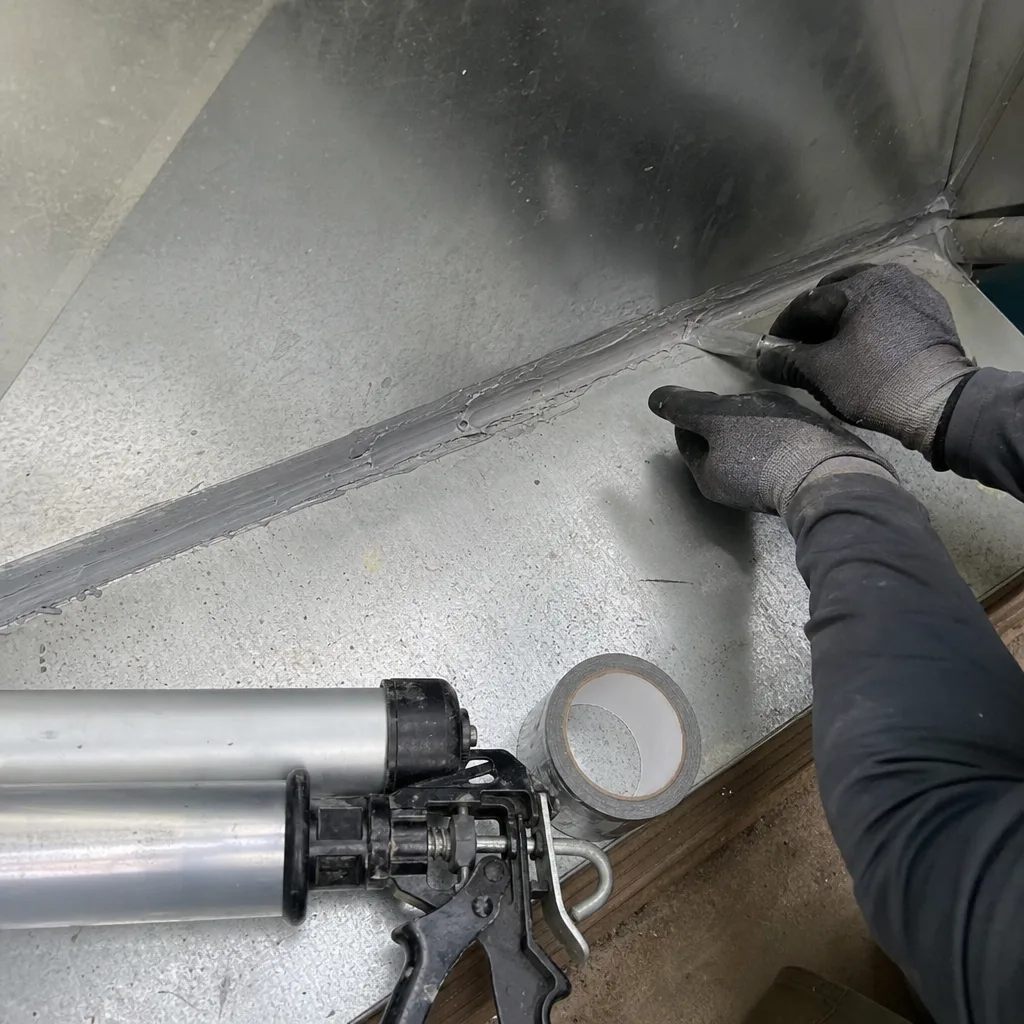
- Duct leakage. Loose joints, separated sections, and gaps at the air handler are common. Leaky ducts pull attic air in and push conditioned air out. If inspection finds leakage, the answer is sealing, not just cleaning, so the repaired system stays clean and efficient.
- Insulation breakdown. Flexible ducting with torn or degraded insulation loses its thermal barrier, sweats in humid months, and can collapse. That shows up as weak airflow and condensation. Repair or replacement of the affected run is the right fix.
- Filtration shortfalls. A system running a weak filter passes more particulate downstream. Upgrading to a higher-quality filter, and matching it to the equipment so it doesn’t over-restrict flow, is part of the complete solution. We supply and install Honeywell and Aprilaire products for exactly this reason.
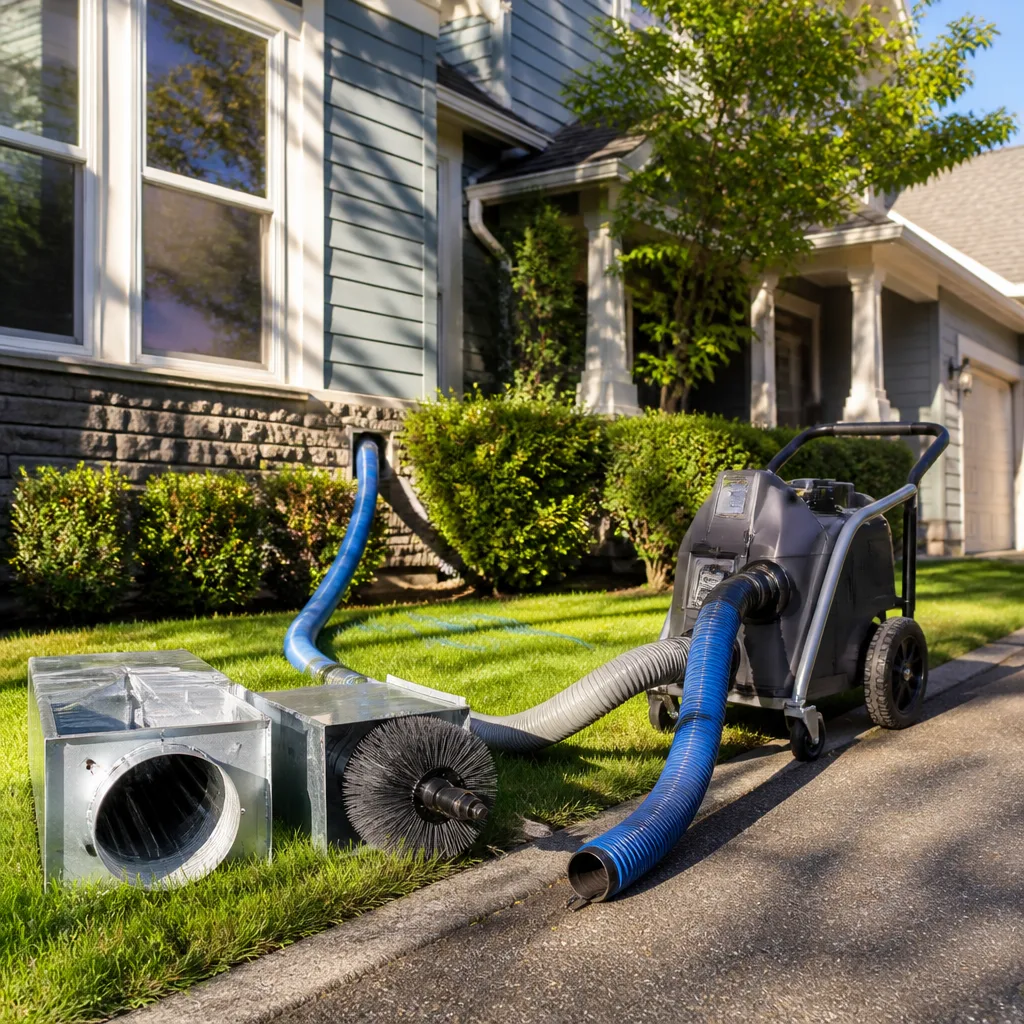
The takeaway: a warning sign is worth investigating before you commit to a plan of action. Cleaning without addressing a leaking duct, a fouled coil, or degraded insulation gives you a clean system for a short time. The household-grade answer is to repair what we find, not just clean around it. That’s why our work covers the entire air pathway from the vent cover to the air handler, using commercial-grade equipment including Rotobrush contact-vacuum systems and Nikro HEPA-rated machines. If you need Air Duct Cleaning Far North Dallas, the inspection and the plan come first, and the estimate tells you what the job involves before any work starts.
A Room-by-Room Checklist for Far North Dallas Homes
Use this checklist to gather evidence before you ask for a professional look. The goal is to note patterns, not to diagnose on your own. A quick walk-through, room by room, gives you a clear picture and makes the professional’s inspection more useful.
- Every room with a supply register. Check for dust streaking past the grille edges, discoloration rings, or dark buildup on the grille face. Note which rooms have them and which don’t.
- The return grille or grilles. These are usually the dirtiest in any system because they pull the whole household air stream. Heavy dark buildup here is one of the strongest indications of return-path contamination.
- The thermostat and a simple airflow test. With the system on, feel the airflow at each supply register. Weak airflow at some vents and strong at others points to restriction or leakage in specific runs.
- The filter. Check how quickly it loads and what it looks like. A filter that clogs within weeks, or comes out grey with fine powdery dust, tells you about the particulate load in the system.
- The smell test. Note whether odor is tied to system startup. Jot down the character of the smell (musty, burning, chemical) and when you notice it most.
- The air handler area (visually, from a distance). Look for condensation, water stains, or torn duct insulation near the unit. Don’t open any equipment panels; that’s a job for a trained technician.
- The bills. Pull a few months of utility statements and note the trend. A steady rise in the same season is a clue worth passing along.
Two things to keep in mind as you go. First, note rooms and patterns, not just “the ducts are dirty.” A room-specific pattern often points to a specific branch or run. Second, don’t attempt to inspect inside the ducts yourself with a flashlight and a ladder. That gets you a view of the first foot, not the system, and it’s not worth the risk near the air handler. A professional inspection covers the whole path from the vent cover to the air handler and gives you a clear read on what’s really going on.
See the difference
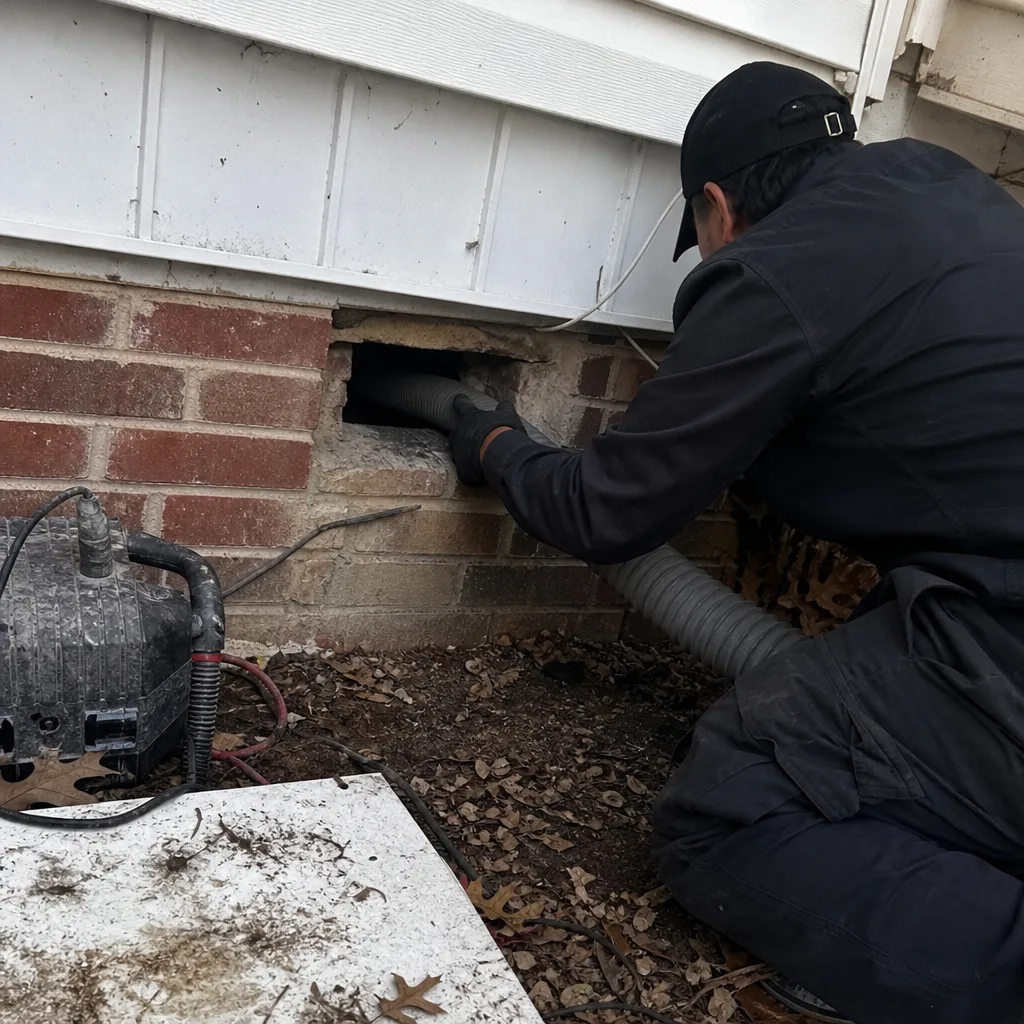 Before
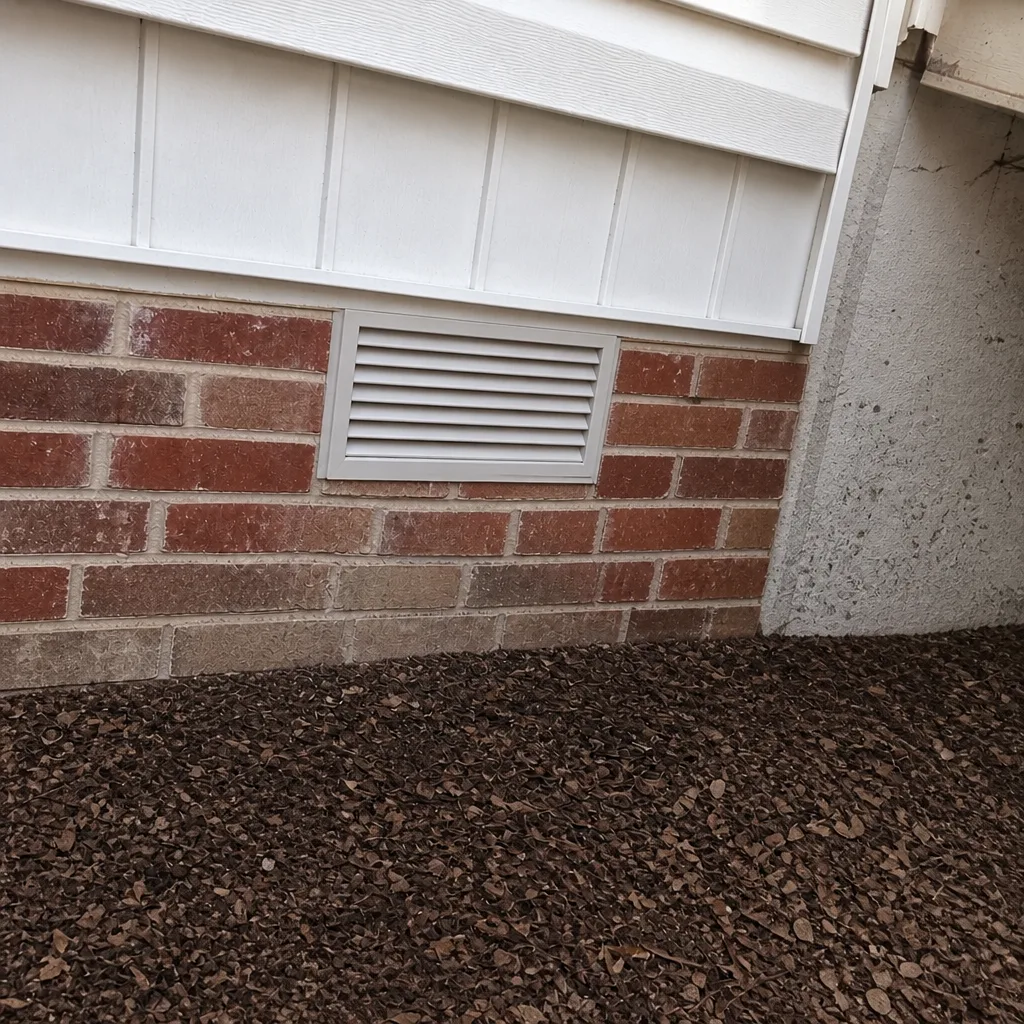 After
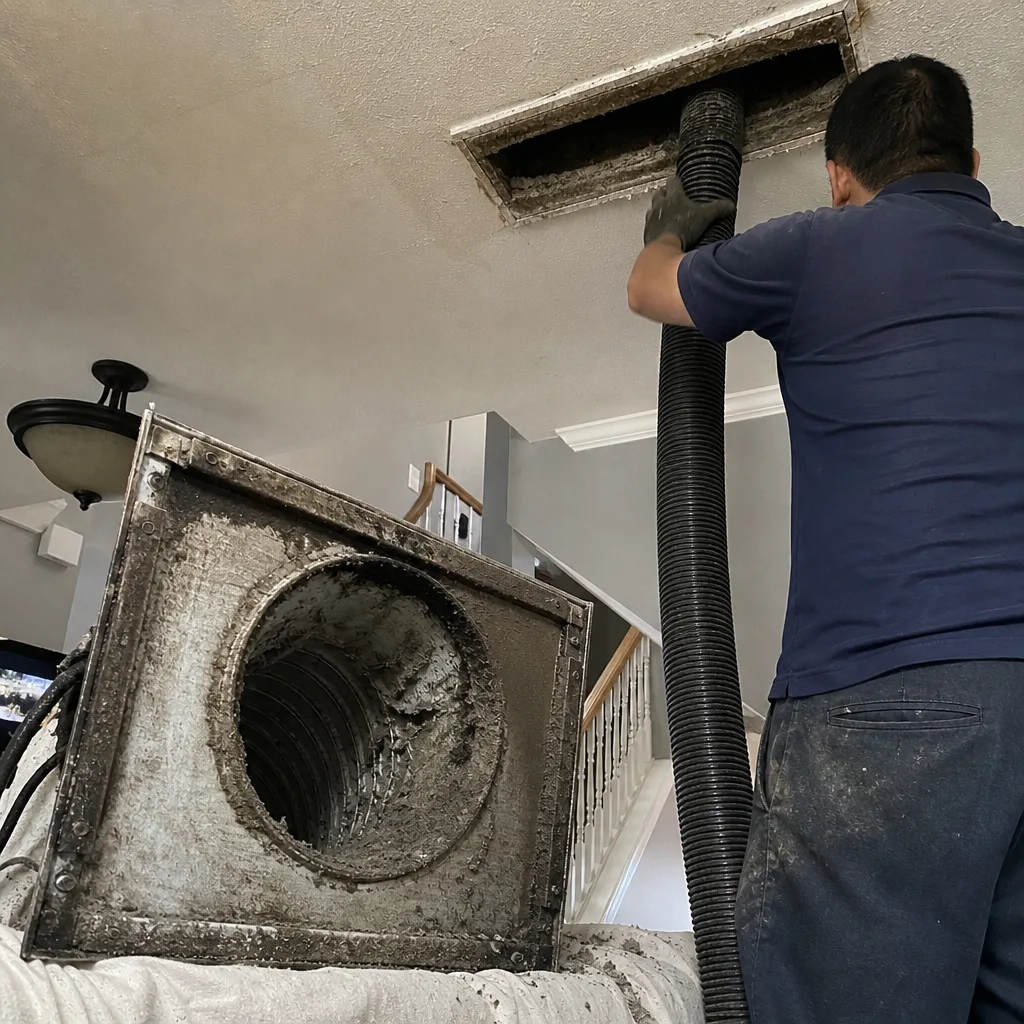 Before
 After
 Before
 After
Common Mistakes to Avoid
- Wiping the grilles and calling it resolved. Streaking and rings come from what’s behind the grille. Cleaning the visible face hides the evidence without fixing the cause.
- Assuming a “system not cooling” call is always a refrigerant issue. In Far North Dallas, restricted or leaky ducts produce the same symptoms. Airflow should be checked alongside refrigerant before anyone concludes the equipment needs work.
- Choosing a service on price alone. Our work uses commercial-grade equipment (Rotobrush, Nikro, Abatement Technologies) because professional results depend on the tools and the containment methods, not a shop vac and a promise. A quote far below the rest usually reflects a different scope of work.
- Skipping the post-renovation cleaning. Construction dust that settles in the ducts keeps cycling through the house long after the workers leave. Schedule a cleaning after a major remodel in your Far North Dallas home.
- Cleaning without checking for leakage. Cleaning a leaky system is temporary. Contaminants come right back in. Cleaning and sealing belong together.
- Ignoring a persistent musty smell. A musty smell usually means moisture somewhere in the system. Cleaning alone won’t fix a moisture source; sanitizing after the source is handled is the right order.
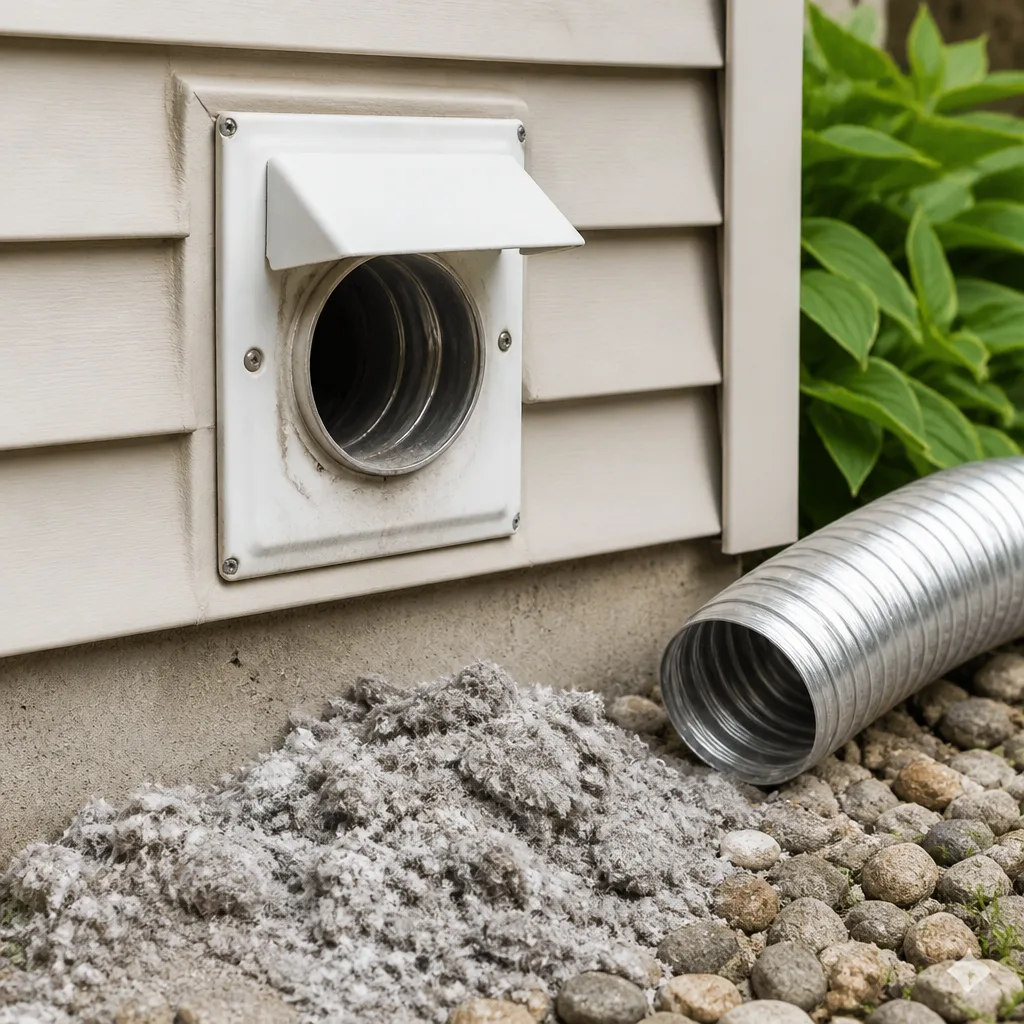
- Overlooking the dryer vent. Many duct-only services skip it, but it’s a named service for us because it addresses fire risk alongside air quality. If you’re having the system looked at, have the dryer vent checked at the same time.
When to Call a Professional
Call when you see dust streaking at multiple registers, damp or spreading discoloration rings, an odor that appears with system startup, or airflow that’s noticeably uneven from room to room. Call when utility bills climb in the same season with no change in habits, or when a filter loads unusually fast. Call after a major remodel that pushed construction dust through the system, when you suspect leakage or degraded insulation, and when a persistent musty smell suggests moisture. Those are the cases where an inspection pays for itself with a clear answer. Air Duct Cleaning Far North Dallas offers free estimates in Far North Dallas. Call (877) 792-7498. We answer 24/7. Fast dispatch from 7am to 7pm, Sunday through Friday. Our technicians have up to 13 years of experience, and the estimate sets the price per job before work begins.
Frequently Asked Questions
Visible dust patterns past grille edges, discoloration rings, an odor that appears with system startup, and uneven room temperatures are signs worth an inspection. Light, even film on grilles and ordinary household dust are not. If two or more of the signs in this guide show up together in your Far North Dallas home, that’s a reasonable threshold for calling. The estimate is free, so the question costs nothing to answer. Call our team to book an assessment.
Musty points to moisture somewhere in the system, while burning usually means dust on the heat exchanger burning off at startup. Persistent or strong burning odor is a safety concern and should be checked promptly. A musty smell that doesn’t clear needs the moisture source identified before cleaning and sanitizing help. Call us and we’ll take a look.
Yes, in most cases. Construction dust travels through the whole system and keeps recirculating long after the work finishes, so a post-renovation cleaning removes it at the source. The pattern to confirm is fine, powdery dust appearing across the whole house with a fast-loading filter. If that matches what you’re seeing, call and we’ll set up an inspection.
It can be either, and sometimes both. Restricted or leaky ducts make the system work harder, raise consumption, and cause uneven cooling, but refrigerant and equipment issues cause similar symptoms. The way to separate them is to check airflow and refrigerant together. Our crew does that as part of a full assessment. Call (877) 792-7498 for an estimate.
It can, when contamination or restriction in that room’s duct run is the cause. If the cause is leakage, collapsed ducting, or a fouled coil, cleaning alone won’t be enough and repair or coil cleaning is part of the answer. An inspection tells you which. We do cleaning, sealing, and repair together, so you don’t need a second company. Call for a free estimate.
Yes. We cover the entire air pathway, including ductwork integrity and filtration, and dryer vent cleaning is a named service. If you’re having the system looked at, ask for the dryer vent at the same time. Call (877) 792-7498, and we’ll set up both in one visit. Our technicians have up to 13 years of experience.
The Bottom Line
The duct warning signs that matter most are the subtle ones: dust streaking past grille edges, damp discoloration rings, a musty smell tied to system startup, rooms that never reach setpoint, and rising bills with no change in habits. Construction dust is its own category after a remodel in Far North Dallas, and some signs point to problems cleaning alone won’t fix, including coil fouling, duct leakage, and insulation breakdown. Gather the evidence with the room-by-room checklist, then have a professional inspection your whole air pathway. If the signs match, a cleaning and a repair plan that fit your system are the right next step, priced per job by a free written estimate before work starts.
Call (877) 792-7498 for a free estimate. We answer 24/7. Fast dispatch from 7am to 7pm, Sunday through Friday. Our team brings commercial-grade equipment (Rotobrush, Nikro, Abatement Technologies) to your home, uses Guardsman-grade sanitizing after cleaning, and supplies Honeywell and Aprilaire filtration when an upgrade makes sense. For air duct cleaning, dryer vent cleaning, and HVAC cleaning, the job runs from the vent cover to the air handler, and the written estimate sets the price before work begins.
Written by the team at Air Duct Cleaning Far North Dallas.